

The short answer
A broken product often means more than a warranty covers. Learn, in general terms, your consumer rights when faulty goods let you down and how to claim.
- Goods generally must be of acceptable quality and fit for purpose.
- Your rights sit with the seller you bought from, not the manufacturer.
- A faulty item may entitle you to a repair, replacement, or refund.
- These rights often exist alongside, and beyond, any warranty.
- Proof of purchase and a clear description of the fault help your claim.
When something you bought stops working, your consumer rights faulty goods protections often go further than a shop assistant might suggest. In most countries, items you buy must be of acceptable quality, fit for their purpose, and last a reasonable time. If they fail because they were faulty, you are usually entitled to a repair, replacement, or refund from the seller, even after a warranty has ended.
This article is general educational information, not legal advice, and the exact rules differ across the US, UK, and Australia. For your own situation, check with a qualified professional or the consumer protection authority where you live.
Here are the key points at a glance:
- Goods generally must be of acceptable quality and fit for purpose.
- Your rights sit with the seller you bought from, not the manufacturer.
- A faulty item may entitle you to a repair, replacement, or refund.
- These rights often exist alongside, and beyond, any warranty.
- Proof of purchase and a clear description of the fault help your claim.
Consumer rights faulty goods: the core idea
The heart of consumer protection is simple. When you buy something, the law in most places treats the price as a promise that the item will work as a reasonable person would expect. If it does not, the seller has not fully delivered their side of the deal.
This is why these protections matter so much. They put the responsibility on the seller to make things right, rather than leaving you stuck with a product that failed through no fault of your own.
What counts as faulty
Not every problem is a fault in the legal sense. Something is usually considered faulty when it is broken, does not do what it should, or fails far sooner than a reasonable buyer would expect for that type of product.
Common examples include:
- A device that stops working within weeks for no clear reason.
- An item that arrived damaged or with parts missing.
- A product that does not match how it was described or advertised.
- Something unsafe or not fit for its stated purpose.
Damage you caused yourself, or normal wear over years of use, generally does not count. The key question is whether a sensible person would say the item let you down unfairly early.
Warranty vs consumer rights
Many shoppers assume that once a warranty expires, they are out of options. Understanding warranty vs consumer rights clears up that confusion, because the two are not the same thing.
A warranty or guarantee is an extra promise offered by the seller or manufacturer, and its length and terms are up to them. Your consumer rights, by contrast, are set by law and often last longer than a typical warranty. So even if the warranty has ended, you may still have a claim if the item failed because it was faulty rather than misused.
In short, treat a warranty as a bonus on top of your legal protections, not a replacement for them. If a seller points only to an expired warranty, it is worth politely asking about your broader rights.
Repair, replace, or refund
When a genuine fault appears, there are usually three possible remedies. Which one applies can depend on how soon the fault showed up and what is reasonable in the circumstances.
- Refund: often available if the fault appears very soon after purchase.
- Replacement: a like-for-like item to put things right.
- Repair: fixing the fault so the product works as it should.
In many systems, a fault that appears quickly gives you the strongest right to a full refund, while faults that show up later may lead to a repair or replacement first. The seller usually should not charge you for sorting out a genuine fault.
How to return a broken item and claim
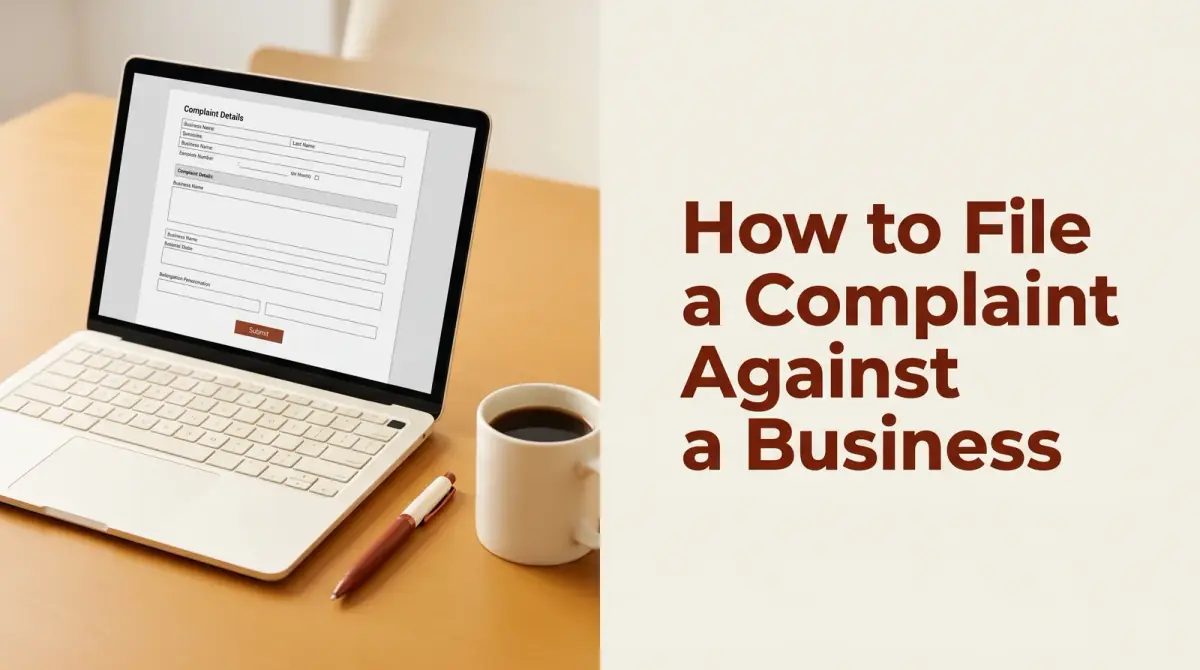
Knowing how to return a broken item calmly and clearly makes the whole process smoother. A polite, well-prepared approach tends to get results faster than frustration.
- Find your proof of purchase, such as a receipt or order confirmation.
- Describe the fault clearly and, if helpful, take a photo or short video.
- Contact the seller you bought from, in writing where possible.
- State what you would like, whether a repair, replacement, or refund.
- Keep a record of every message and response.
Staying factual and specific helps enormously. Instead of saying the item is rubbish, explain exactly what it does or fails to do, and when the problem started.
Time limits that matter
Your protections do not last forever, so timing counts. Many systems give you a short window in which a refund is easiest, followed by a longer period during which a repair or replacement may still be due.
Because these windows vary by country and product, act promptly once you notice a fault rather than waiting. Reporting the problem early also strengthens your position, since a long delay can make it harder to show the item was faulty rather than simply worn out.
Keeping proof to back your claim
Good records turn a shaky request into a strong one. Whenever you buy something of value, hold on to the receipt, order email, or bank record, because your consumer rights faulty goods claim is far easier to make when you can prove where and when you bought the item.
It also helps to keep the original packaging for a while and to note the date any problem first appeared. If you contact the seller, do so in writing where you can, so there is a clear trail of what was said. Photos and short videos of the fault add weight too, since they show the issue rather than just describing it. None of this needs to be elaborate, as a simple folder, digital or paper, is usually enough to keep everything in one place.
When the seller says no
Sometimes a seller refuses a fair request. If that happens, stay calm and escalate step by step rather than giving up.
Start by putting your claim in writing and referring generally to your consumer rights. If that does not work, many countries have consumer bodies, ombudsman services, or dispute schemes that can help, and small claims court remains an option for stubborn cases. Keeping every receipt and message makes each of these steps far easier, and a qualified adviser or consumer authority can guide you if the situation gets complicated.


Comments
0 total