

The short answer
A digital nomad village blends coliving, coworking, and community for remote workers. Here is how these hubs run, what they cost, and who they actually suit.
- It combines coliving, coworking, and community in one location.
- You get fast internet and instant social connections.
- Costs vary widely by country and comfort level.
- The built-in community is the main draw and the main catch.
- It suits some work styles far better than others.
A digital nomad village is a place, often a whole neighborhood or a small resort, built around remote workers who live and work there together. It usually blends coliving housing, shared coworking space, fast internet, and a ready-made community. The idea exists to solve the two hardest parts of remote life abroad: finding reliable workspace and beating the loneliness.
Instead of hunting for cafes with decent Wi-Fi in a new city, you land somewhere set up for exactly your kind of work. Everything is in one spot.
Here is the quick picture:
- It combines coliving, coworking, and community in one location.
- You get fast internet and instant social connections.
- Costs vary widely by country and comfort level.
- The built-in community is the main draw and the main catch.
- It suits some work styles far better than others.
What is a digital nomad village, exactly?
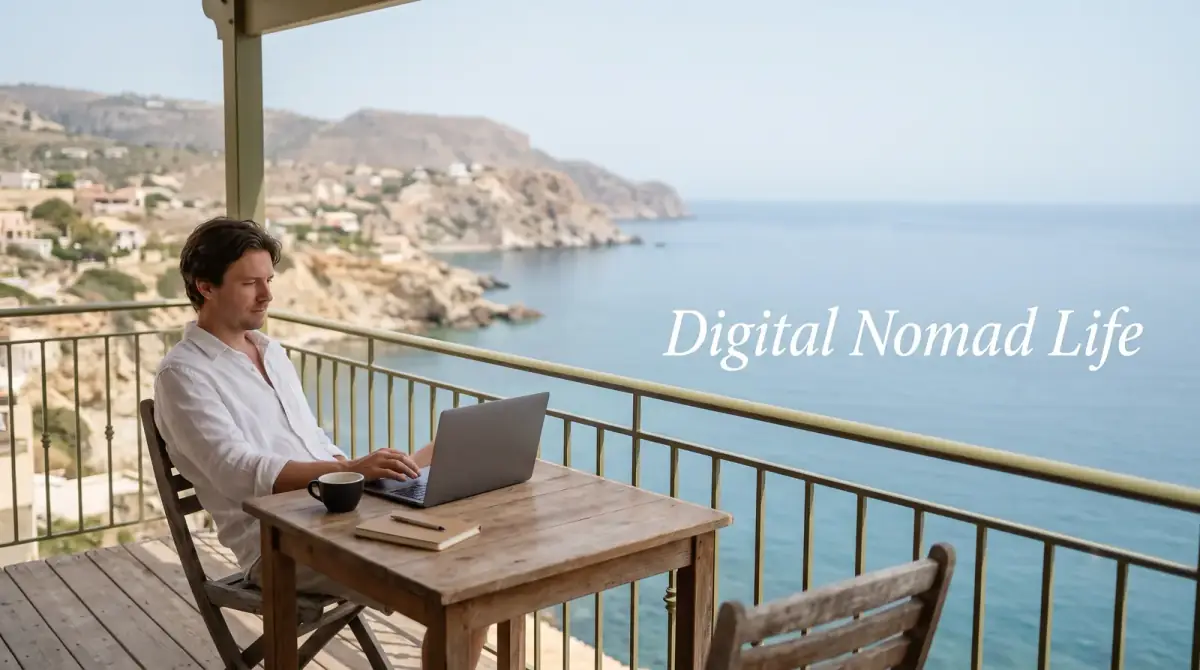
If you are still asking what is digital nomad village life like, picture a hostel and an office blended together, set in a scenic town. Some are purpose-built resorts. Others are ordinary neighborhoods that quietly filled up with remote workers and the services they want.
The common thread is a design built around remote work. You will find dependable internet, desks and meeting rooms, comfortable housing, and a rotating crowd of people doing the same thing you are.
These hubs have popped up around the world, often in warm, affordable, and beautiful places that are pleasant to live in for weeks or months.
How these villages work
Most villages run on a simple package. You pay for a room, and access to the coworking space and community events is often bundled in or offered cheaply on the side.
A typical day might look like this: work from the shared office in the morning, grab lunch with other members, take an afternoon call, then join a group dinner, hike, or skill-share in the evening. The structure is loose, but the pieces are all there when you want them.
Stays range from a few days to several months. Many people bounce between villages, treating each as a base for a season before moving on. That flexibility is part of the appeal, since you can test a place without a long lease tying you down.
What it costs to stay
Costs vary a lot, so treat any single figure with caution. Price depends heavily on the country, the season, and how private and polished you want your setup.
A bed in a shared room in an affordable region can be quite cheap, while a private studio in a popular hub can cost as much as rent back home. Coworking access, food, and activities may be bundled or charged separately, so read what is actually included.
Compare the all-in number against your alternative. Sometimes a village costs more than a plain rental, but you are also paying for workspace, community, and convenience you would otherwise piece together yourself.
The upsides of the built-in community
The biggest selling point is instant belonging. Remote work abroad can be lonely, and a village hands you a social circle on arrival.
- Ready-made friends. Everyone is new and open to meeting people, so connecting is easy.
- Reliable workspace. No more testing cafe Wi-Fi or working hunched over on a bed.
- Less logistics. Housing, internet, and a desk are sorted in one booking.
- Shared knowledge. Other members trade visa tips, client leads, and local know-how.
For anyone new to the digital nomad lifestyle, this support can turn a stressful move into a soft landing.
The downsides to weigh
The same community that helps some people can wear on others. It pays to be honest with yourself here.
Villages can feel like a bubble, where you mix mostly with other foreigners and see little of the local culture. They can also be socially intense, with events and people constantly around, which is draining if you need quiet to focus.
Quality varies, too. Some are well run, and some overpromise on internet speed or comfort. A weak connection is a serious problem when your income depends on it, so check recent reviews before you book. If your work involves live calls, ask specifically about upload speeds, which cheaper setups often ignore.
Who these villages suit
These hubs are not for everyone, and that is fine. They tend to fit certain people well.
They are great if you are new to working abroad, if you crave company, or if you want housing and workspace handled for you. They also suit freelancers and solo workers who miss the buzz of an office.
They fit less well if you have an established local life, a family setup, or a job with strict hours across time zones. Deep-focus workers who dislike constant socializing may also find them distracting. If that sounds like you, a quiet private rental with a separate coworking pass may serve you better.
How to decide if it fits your work style
Before committing, ask a few plain questions about how you actually work and recharge.
Do you focus better in a buzzing shared space or in quiet solitude? Do you gain energy from people or lose it? How important is a fast, stable connection for your job, and can the village prove it delivers one?
If you are unsure, start with a short stay. A week or two tells you whether the setup fuels you or drains you, without locking you into months. That trial is the simplest way to learn how to digital nomad in a way that actually fits you.
Tips for choosing the right village
Once you decide a village could suit you, a little homework helps you pick a good one rather than a disappointing one.
- Check recent reviews. Look for honest comments on internet speed, cleanliness, and how the community actually feels day to day.
- Confirm the internet. Ask for real speeds, and keep a backup option like a local SIM in mind just in case.
- Match the vibe. Some villages are party-focused, others quiet and work-first. Pick the one that fits your goals, not the trendiest name.
- Understand the full cost. Get the all-in price, including what is bundled and what you pay extra for.
Also weigh the practical basics before you book. Think about the time zone versus your clients or team, the visa rules for how long you want to stay, and how easy it is to reach a doctor or pharmacy if you get sick. These details rarely appear in glossy photos, but they shape your daily life far more than the view does.
The bottom line
A digital nomad village packages housing, workspace, and community into one location built for remote work. It can be a brilliant launchpad if you want connection and convenience, or a poor fit if you crave quiet and local roots. Weigh the trade-offs, check the internet and reviews, and try a short stay before you commit to a whole season.

Comments
0 total