
The short answer
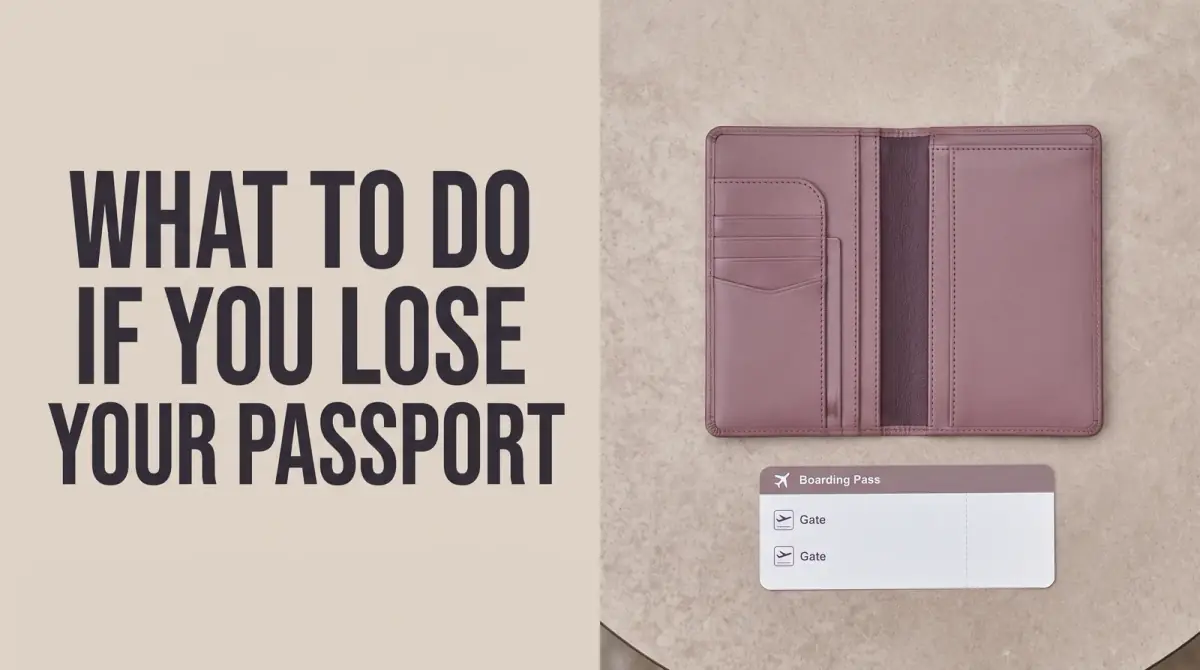
Losing a passport is stressful, but the fix is well defined. Here are the general steps to take if you lose your passport at home or abroad, and how to replace it.
- Report the loss quickly so the passport cannot be misused.
- The steps differ depending on whether you are home or abroad.
- A replacement is applied for through your official passport authority.
- Having copies of your details speeds up the whole process.
- Rules vary by country, so follow official guidance.
If you are wondering what to do if you lose your passport, the short answer is to report it lost as soon as possible and then apply for a replacement through the correct authority. Reporting it quickly cancels the old document so it cannot be misused, which is the single most important step. This article offers general educational information rather than legal advice, and passport rules differ by country, so always follow the official guidance from your own passport authority or nearest embassy for your situation.
Here is a calm walkthrough of the general steps, whether you are at home or traveling abroad.
- Report the loss quickly so the passport cannot be misused.
- The steps differ depending on whether you are home or abroad.
- A replacement is applied for through your official passport authority.
- Having copies of your details speeds up the whole process.
- Rules vary by country, so follow official guidance.
Why reporting a lost passport quickly matters
A passport is a valuable identity document, which makes a lost passport attractive to anyone who wants to commit fraud or travel under a false name. Reporting it promptly is what protects you.
Once you officially report the loss, the passport is generally cancelled and flagged, so it can no longer be used for travel or identity checks. This holds true even if you find the old one later, so do not rely on recovering it.
Acting quickly also starts the clock on your replacement. The sooner you report and apply, the sooner you have a valid document again, which matters most when travel plans are involved.
What to do if you lose your passport at home
Losing your passport while at home is mostly about staying calm and being methodical. There is usually no immediate emergency, so you can work through it step by step.
First, search thoroughly in the obvious places, since passports often turn up in a bag, drawer, or coat pocket. If it is genuinely gone, report the loss to your national passport authority through their official process.
Then begin the application for a replacement. Because you are in your home country, you generally have access to the standard application routes, which are simpler than dealing with a loss overseas.
What to do if you lose your passport abroad
Losing a passport in another country feels more stressful, but there is a clear path to follow. The core response abroad is to contact your own country's embassy or consulate as soon as you can.
Report the loss to the local authorities if that is required, and keep any reference number they give you. Then contact your nearest embassy or consulate, which can guide you through emergency travel documents or a replacement.
If you are due to travel soon, tell the embassy your timeline, since they may be able to issue an emergency document that lets you complete your journey or return home. Travel insurance, if you have it, may also help with costs and next steps.
How to report a lost passport officially
Reporting is the step that actually cancels the document, so it is worth doing carefully. The exact method to report a lost passport depends on your country, but the idea is the same everywhere.
Most passport authorities offer an official online form, phone line, or in person option to report the loss. You will usually be asked for details such as your full name, date of birth, and, if you have it, the passport number.
Once reported, keep any confirmation or reference number. You may need it when you apply for the replacement, and it serves as proof that you acted responsibly.
How to replace a passport
After reporting, the next task is to replace a passport with a new one. This is a fresh application rather than a simple reissue, because the lost document has been cancelled.
A typical replacement process involves:
- Completing the official application form for a new passport.
- Providing identity documents and passport style photos.
- Explaining that the previous passport was lost, sometimes on a specific form.
- Paying the applicable fee and any charge for faster service.
Processing times vary, and many authorities offer a faster option for urgent travel. Check the official guidance for current timelines so you can plan around them.
Documents and details that speed things up
The whole process moves faster when you can quickly prove who you are. A little preparation, even after the fact, saves time.
Helpful details include your old passport number, a photocopy or photo of the old passport, and other identity documents such as a birth certificate or national ID. Storing a secure digital copy of your passport before you travel is one of the simplest habits that pays off here.
Having these ready means fewer delays and less back and forth with the authority. It also helps embassy staff assist you more quickly if you happen to be abroad.
How to protect your passport in future
Once you have your replacement, a few simple habits reduce the chance of going through this again. Prevention is far easier than replacement.
- Keep your passport in a fixed, secure place at home and while traveling.
- Carry it only when you actually need it.
- Store a secure digital copy and a written note of the number.
- Use a hotel safe or a money belt when traveling in busy areas.
These small routines make a big difference. A passport that has a home and is only carried when needed is far less likely to go missing.
Handling travel plans while you wait
A lost passport often collides with a trip, so it helps to think about your bookings alongside the replacement. Do not assume a flight is automatically cancelled just because your document has gone missing.
Contact your airline or travel provider to explain the situation and ask about your options, since some allow changes when documents are lost. If you were traveling with others, let them know your timeline early so plans can be adjusted calmly rather than in a rush.
Where money is at stake, check any travel insurance you hold, as some policies help with the cost of missed travel or emergency documents. Keeping receipts for any extra expenses makes a later claim far easier to put together.
The bottom line
Knowing what to do if you lose your passport comes down to two priorities: report the loss quickly so it cannot be misused, then apply for a replacement through the correct authority. At home the path is straightforward, and abroad your embassy or consulate is your main point of contact. Because passport rules differ by country, treat this as general information and follow the official guidance from your passport authority or embassy for your specific situation.



Comments
0 total