
The short answer
Crash diets promise quick wins, but what really happens when you lose weight fast? Here is the honest truth about water weight and rebound, plus a smarter way to slim down.
- Rapid early weight loss is mostly water and stored carbs, not fat.
- Very low-calorie diets often trigger rebound weight gain.
- Losing weight too fast can cost you muscle and energy.
- Slow, steady change is more sustainable and easier to maintain.
- Big or sudden weight changes are worth discussing with a doctor.
Here is the honest truth about trying to lose weight fast: most of what disappears in the first week or two is water, not fat. Crash diets can drop the numbers on the scale quickly, but that weight tends to come back, often with a little extra. A slower, steadier approach is far less exciting and far more likely to last.
Fast results feel great for a moment. Understanding what is really happening helps you avoid the frustrating cycle of losing and regaining the same few pounds.
Key takeaways
- Rapid early weight loss is mostly water and stored carbs, not fat.
- Very low-calorie diets often trigger rebound weight gain.
- Losing weight too fast can cost you muscle and energy.
- Slow, steady change is more sustainable and easier to maintain.
- Big or sudden weight changes are worth discussing with a doctor.
What happens when you lose weight fast
When you slash calories or cut carbs hard, your body first burns through its stored carbohydrate, called glycogen. Glycogen holds a lot of water, so as it drops, water weight goes with it.
That is why the scale can plunge in the first week. It feels like progress, but very little of it is actual fat.
Refill your carbs later and much of that water returns. This is the quiet reason so many quick-loss wins vanish just as quickly as they arrived.
Salt and hydration swing the number too. Eat a salty meal or skip your usual water, and the scale can jump a couple of pounds overnight, none of it fat. That is why a single weigh-in tells you very little.
Why lose weight fast plans backfire
The urge to lose weight fast is easy to understand. We want to see results, and slow change is hard to stay excited about.
The problem is what extreme dieting does to your body and your habits. Cutting calories too hard sends your body into conservation mode, and it fights back.
- Hunger hormones ramp up, so you feel ravenous.
- Your body may burn muscle along with fat for fuel.
- Energy and mood often dip, which makes the plan harder to keep.
- Once you stop, the weight tends to return, sometimes with extra.
This up-and-down pattern is discouraging. It can leave you feeling like a failure when the plan, not you, was the real problem.
There is a mental cost as well. Very strict rules are exhausting to follow, and one slip can spiral into giving up entirely. Plans that feel like punishment rarely survive a busy or stressful week.
The muscle problem
Not all weight is equal. When you drop weight too fast, some of the loss can come from muscle rather than fat.
That matters because muscle helps you stay strong and supports your day-to-day energy. Losing it can make you feel weaker and can work against you over time.
Keeping enough protein and staying active helps protect muscle while you lose fat. Crash diets rarely leave room for either.
There is your metabolism to think about, as well. Muscle burns more energy at rest than fat does, so losing it can make it slightly easier to regain weight later. Protecting muscle is really protecting your future self.
How to lose weight in a way that lasts
The good news is that a sustainable approach is not complicated. When people ask how to lose weight without the misery, the answer is usually small, steady changes you can actually keep.
Aim for a gentle calorie reduction rather than a drastic cut. A modest, steady pace of loss is more likely to be fat, and more likely to stay off.
- Fill half your plate with vegetables and fruit.
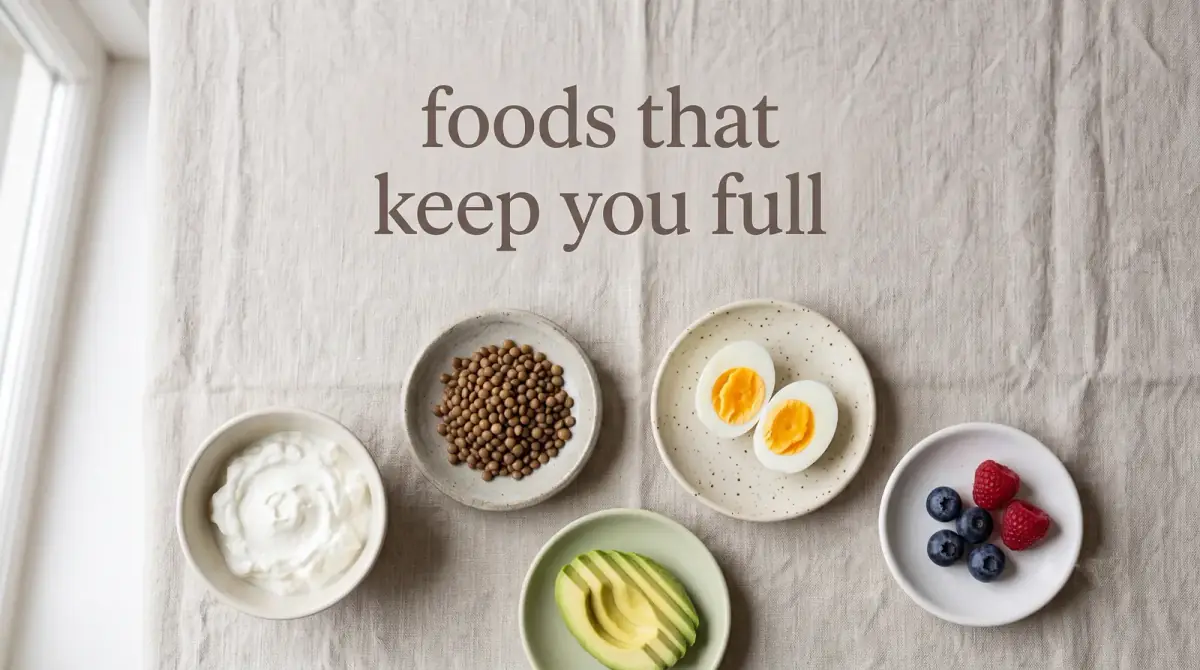
- Include protein at each meal to stay full and protect muscle.
- Choose whole foods over ultra-processed ones most of the time.
- Move your body in ways you actually enjoy, so it becomes a habit.
- Protect your sleep, since poor rest can drive cravings.
These steps are not flashy. They just work over months, which is exactly the point.
Consistency beats intensity here. A modest plan you follow for six months will almost always beat a strict one you abandon in three weeks. Boring and steady is the whole strategy.
Simple swaps that add up
You do not need to overhaul everything at once. Small, repeatable swaps often carry more weight over time than any crash plan.
- Water or sparkling water in place of sugary drinks.
- Fruit instead of a second helping of dessert.
- A short walk after meals instead of heading straight to the couch.
- Cooking one extra meal at home each week.
Pick one, let it become normal, then add another. That gentle layering is how lasting change is actually built.
Focus on habits, not just the scale
The scale is a noisy measure. It swings with water, food, and hormones from day to day.
Track other wins too: more energy, better sleep, clothes fitting differently, or being able to walk farther. These signs of progress keep you going when the scale stalls.
When fast weight loss might be supervised
There are cases where a doctor guides quicker weight loss for medical reasons. That is very different from a crash diet you find online.
If a professional recommends and monitors it, they can protect your health along the way. The danger is in doing it alone with extreme, unbalanced plans.
Be especially careful with very low-calorie diets, detoxes, or anything that cuts out whole food groups without guidance.
Setting realistic expectations
Results vary from person to person based on your body, your starting point, and your habits. Two people on the same plan can see very different outcomes, and that is normal.
Comparing your week one to someone else's highlight reel only breeds frustration. Your steady progress counts, even when it looks modest on paper.
Give any change a fair trial before judging it. A few weeks is rarely enough to see the real trend, especially once you factor in the normal day-to-day swings in water and weight.
The weight that comes off slowly is the weight most likely to stay off.
The bottom line
This is general information, not medical advice. The truth is that the drive to drop weight fast usually leads to water-weight wins and rebound gains, not lasting change.
Trade the crash diet for steady habits you can live with. If you have a lot to lose, an existing health condition, or simply want a plan tailored to you, talk to a doctor or a registered dietitian first.



Comments
0 total