
The short answer
Does anxiety ever truly disappear, or do you manage it for life? Here is an honest, hopeful look at whether anxiety goes away and the everyday habits that help.
- Anxiety is highly manageable, even if it rarely disappears for good.
- Think in terms of control and relief, not a total cure.
- Daily habits like sleep, movement, and breathing genuinely help.
- Therapy and, in some cases, medication can make a big difference.
- Results vary, so be patient and kind with yourself.
Can anxiety ever really go away? For many people, anxiety does not vanish forever, but it can fade so much that it no longer runs your life. So is anxiety curable in the strict sense? Usually not, but it is very manageable, and plenty of people reach a point where they barely notice it.
That may sound like a letdown, but it is actually hopeful. You do not need to erase anxiety completely to feel free. You need to shrink it down to size, and that is a realistic goal for most people.
Key takeaways
- Anxiety is highly manageable, even if it rarely disappears for good.
- Think in terms of control and relief, not a total cure.
- Daily habits like sleep, movement, and breathing genuinely help.
- Therapy and, in some cases, medication can make a big difference.
- Results vary, so be patient and kind with yourself.
Is anxiety curable? The honest answer
Is anxiety curable the way a broken bone heals? Not quite. Anxiety is a normal human emotion, not just a disease to remove. Everyone feels it sometimes, and you would not want to lose it entirely, since it can keep you safe and motivated.
The real goal is not zero anxiety. It is anxiety that stays in proportion, shows up less often, and passes more quickly. That is a version of going away that is genuinely within reach, even if the word cure does not quite fit.
It also helps to know that anxiety is common and very treatable. Plenty of people live full, calm lives while still having an anxious streak in them. The aim is not to become someone who never worries. It is to stop worry from steering the ship.
Why cure is the wrong word
The word cure sets up a trap. It suggests a finish line where anxiety is gone for good and never returns. Chase that, and any future worry can feel like failure.
Management is a kinder and more accurate frame. Think of it like fitness. You do not get fit once and stop forever. You build habits that keep you strong, and you maintain them over time.
With that mindset, a bad day is not a relapse. It is just a day. You already have the tools to steady yourself again, and one rough patch does not erase your progress.
Small setbacks are part of almost everyone's story. What matters is the overall direction over months and years, not how you feel on any single hard afternoon. Zoom out, and the trend usually tells a far more encouraging story.
A quick reminder of why anxiety happens
To manage anxiety, it helps to recall why anxiety happens in the first place. It is your brain's alarm system reacting to a threat, real or imagined, with a burst of stress signals.
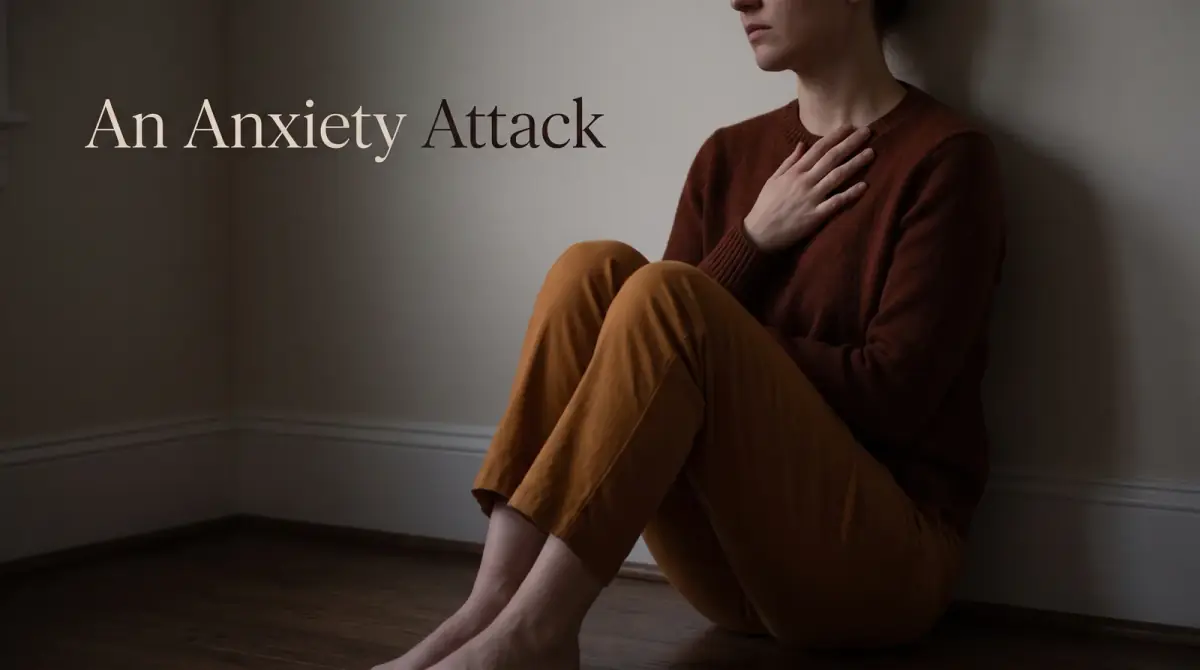
Knowing why anxiety occurs takes some of its power away. When your heart races, you can remind yourself it is a false alarm, not danger. And knowing what anxiety feels like in your own body helps you spot it early, before it snowballs into something bigger.
That small shift, from fearing the feeling to simply understanding it, is often where relief begins. You stop fighting the alarm and start working with it instead.
What going away really looks like
For most people, progress is not a straight line to zero. It looks more like this:
- Anxious episodes come less often.
- When they hit, they are milder.
- They pass faster, because you know what to do.
- They stop controlling your choices and your days.
You might still feel nervous before a big event. That is normal and healthy. The difference is that it no longer takes over or lingers for days afterward.
Progress can also be bumpy. You might have a great month, then a stressful week that stirs things up again. That is not going backward. It is simply how real life and real recovery tend to work.
Everyday habits that help
Small, steady habits often matter more than any single fix. None of these are quick cures, but together they lower your baseline stress and make anxious moments easier to handle.
- Protect your sleep. A rested brain is far less reactive.
- Move your body. Regular activity burns off stress chemicals.
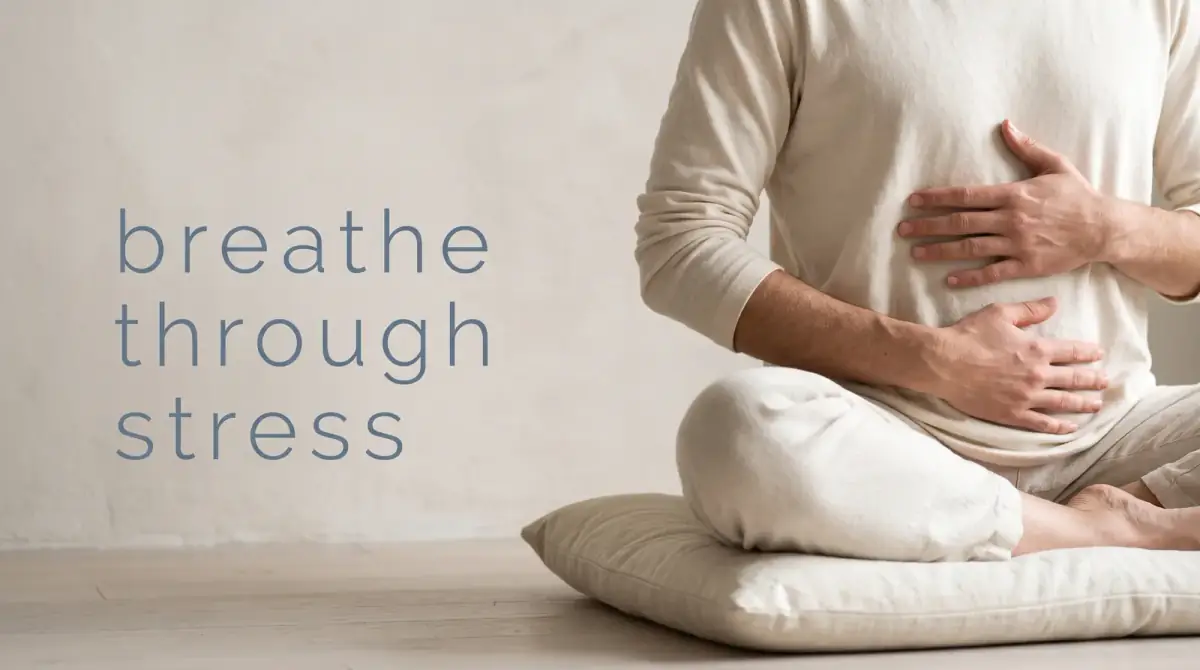
- Slow your breathing. Long, slow exhales tell your body the danger has passed.
- Watch caffeine. It can mimic and worsen anxious feelings.
- Limit doom-scrolling. A constant drip of worry keeps the alarm on.
- Stay connected. Talking to people you trust eases the load.
Pick one to start. Stacking small wins beats trying to overhaul everything at once, and it is far easier to keep up.
Give any new habit a fair trial before you judge it. A single calm evening will not undo years of built-up tension, but weeks of steady practice often add up to a real change.
Treatments worth knowing about
When habits are not enough, proven treatments can help a great deal. Talk therapy, especially approaches that teach you to work with anxious thoughts, is widely used and helps many people.
For some, medication prescribed by a doctor is part of the plan too. That is a personal decision to make with a professional, not a sign you failed at managing things yourself. Many people use a mix of approaches and adjust over time.
The point is that you have real options. Anxiety is one of the more treatable challenges out there, which is a genuine reason for hope.
Everyone responds a little differently, so finding what works can take some trial and error. That is normal, not a personal failing. The right support is worth the patience it takes to find it.
When to seek support
Consider reaching out to a professional if anxiety is frequent, intense, or interfering with your sleep, work, or relationships. You do not have to wait until things feel unbearable to ask for help.
This article is general information, not medical advice. A doctor or mental health professional can assess your situation and build a plan that fits you. If you ever feel unsafe or in crisis, contact a local emergency service or crisis line right away.
So, can anxiety ever really go away? Not always in the fairy-tale sense, but it can loosen its grip until it barely registers. Whether or not anxiety is curable, it is deeply manageable, and that is what actually changes your life. Be patient, lean on habits and support that work for you, and remember that progress, not perfection, is the goal.
Comments
0 total