

The short answer
Standard habit advice often flops for ADHD brains. Learn how to build habits with ADHD using novelty, visible cues, body doubling, and forgiving restarts that stick.
- ADHD brains chase interest and novelty, so make habits engaging.
- Put cues where you can see them; out of sight is out of mind.
- Body doubling uses another person's presence to help you start.
- Skip the perfect streak; aim to restart quickly instead.
- Pair a boring task with something fun to soften the friction.
To build habits with ADHD, stop copying advice written for neurotypical brains and start working with how your attention actually runs. Learning how to build habits with ADHD means leaning on novelty and interest, putting your cues out where you can see them, and dropping the all-or-nothing streak that turns one missed day into total defeat.
Standard habit advice often assumes steady motivation and a tidy memory. If that is not your brain, you are not broken. You just need a different playbook.
The quick version, before we dig in:
- ADHD brains chase interest and novelty, so make habits engaging.
- Put cues where you can see them; out of sight is out of mind.
- Body doubling uses another person's presence to help you start.
- Skip the perfect streak; aim to restart quickly instead.
- Pair a boring task with something fun to soften the friction.
Why standard habit advice often fails ADHD brains
Most habit tips assume you can run on a slow, steady drip of motivation. ADHD attention does not work that way. It tends to surge around what feels new, interesting, or urgent, and to stall on what feels dull, even when the task matters.
Memory plays a role too. If a task is out of sight, it can vanish from your mind completely, no matter how important it felt an hour ago. So a plan that relies on "just remember" is a plan built to fail.
None of this means you lack discipline. It means the usual advice was tuned for a different kind of brain, and you deserve tools that fit yours. The aim is not to force your brain to act like someone else's, but to set up your day so your natural wiring works for you.
How to build habits with ADHD by using novelty
Interest is fuel for an ADHD brain, so build habits that feel fresh instead of grey. When a routine gets boring, your attention quietly walks away, and the habit dies. Small doses of novelty keep it alive.
- Change the setting: work out in a new park, study in a different room.
- Turn the task into a game with a timer or a small challenge.
- Refresh the details often: a new playlist, a new pen, a new route.
- Stack a boring habit onto something you genuinely enjoy.
That last trick is powerful. If you only watch your favorite show while folding laundry or walking on the treadmill, the fun carries the chore along with it. Pairing a want with a should can turn a task you avoid into one you almost look forward to.
Make your cues visible
For an ADHD brain, out of sight really is out of mind. So the fix is to move your cues into the open where they cannot be ignored.
Want to take a vitamin each morning? Put the bottle next to your coffee, not in a cabinet. Want to drink more water? Leave a full bottle on your desk where you keep bumping into it.
Externalize your memory too. Sticky notes, whiteboards, phone alarms, and visible checklists do the remembering so your brain does not have to. Lean on these tools without guilt. They are not cheating, they are smart design.
Try body doubling
Body doubling means doing a task alongside another person, either in the room or on a video call. Their quiet presence makes it far easier to start and stay with something that feels boring alone. Many people with ADHD find this one of the most reliable tricks they have.
You do not need help from the other person. They can be doing their own work entirely. The point is simply that being "body doubled" adds a gentle sense of accountability and focus.
Try it with a friend on a call, a coworker at a shared table, or an online focus session. Small tasks that stalled for weeks can suddenly get done. The presence of another person seems to quiet the pull of distractions, even when nobody says a word about your task.
Drop the all-or-nothing streak
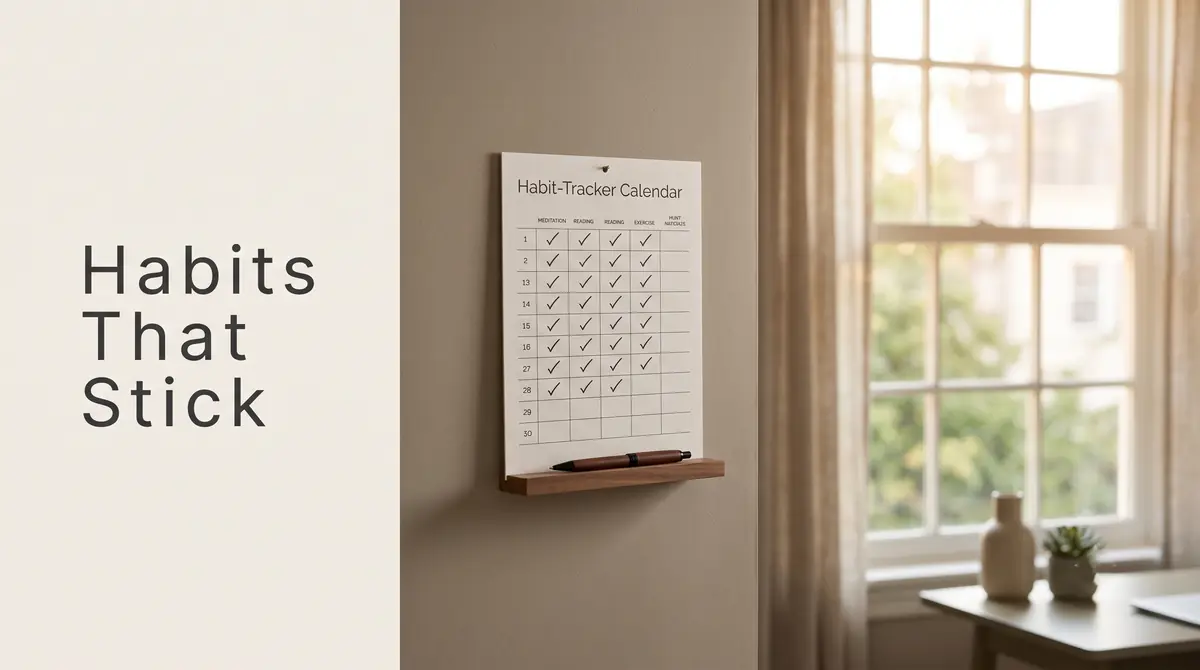
Long streaks look motivating, but for many ADHD brains they backfire. Miss one day and the whole chain feels broken, which makes it tempting to give up completely. That is the all-or-nothing trap.
Aim for a different goal: restart fast. A habit is not ruined by a missed day. It is only ruined by never coming back. "Never miss twice" is a kinder, more realistic rule than "never miss once."
Be gentle with yourself on the restart. Shame tends to freeze an ADHD brain rather than motivate it, so treat a slip as normal and just pick the habit back up.
Build an ADHD-friendly morning routine
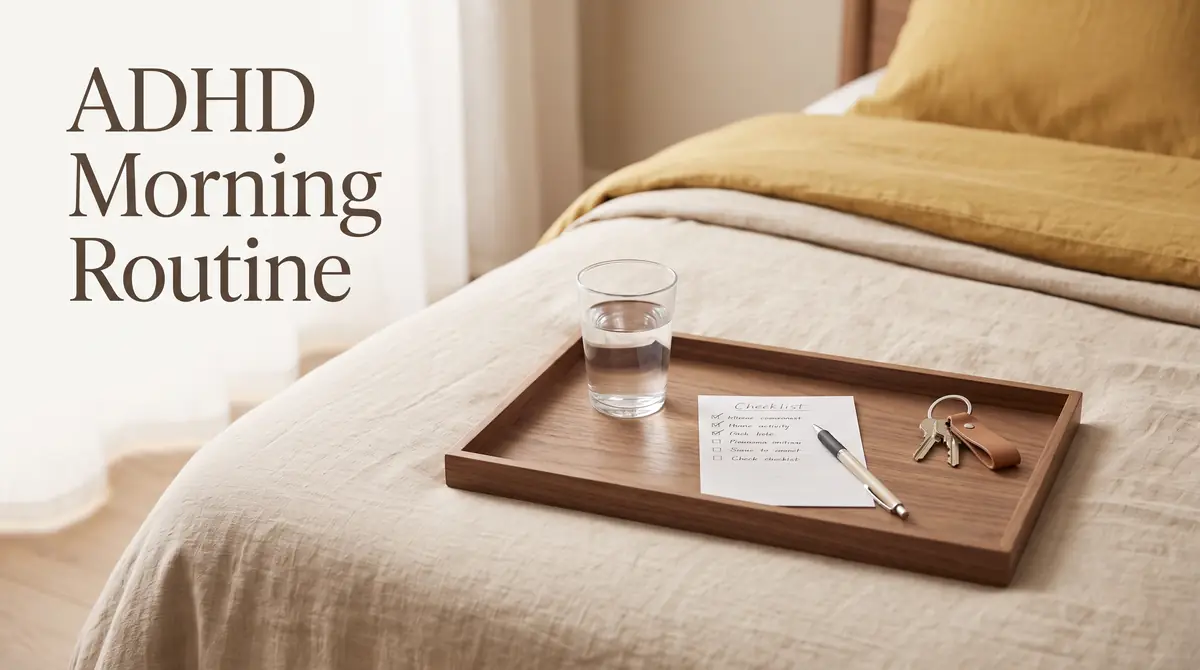
A solid ADHD morning routine can set the tone for your whole day, but only if you keep it short and visible. A long, complicated routine is easy to abandon before you have finished your coffee.
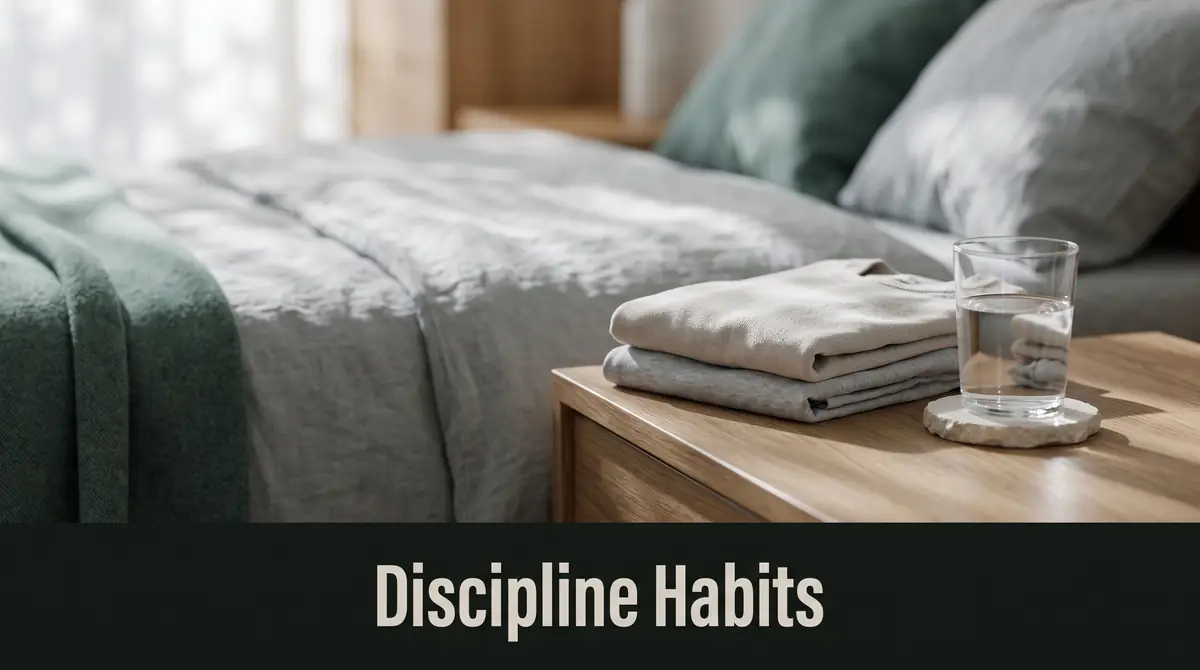
Start with two or three anchor steps and write them where you will see them. You might lay clothes out the night before, keep your meds by your toothbrush, and set one alarm labeled with the exact next action.
Link new steps to things you already do without thinking. "After I brush my teeth, I take my vitamin" borrows the strength of an existing habit to carry the new one along. Keep the routine steady so it turns automatic, and resist adding new steps before the first ones stick.
When to get extra support
These tools help a lot, but ADHD is a real condition, and habit tricks are not a substitute for proper care. If daily life feels overwhelming, it is worth talking with a doctor or a qualified professional about your options.
An ADHD coach, therapist, or clinician can tailor strategies to your situation and rule out other issues. Asking for support is a sign of strength, not failure.
The bottom line
Knowing how to build habits with ADHD means playing to your brain's strengths instead of fighting them. Use novelty to stay interested, make cues impossible to miss, borrow focus through body doubling, and forgive the missed days. Results vary from person to person, so experiment, keep what works, and drop what does not. Pick one small habit today and build from there.
Comments
0 total