
The short answer
Emotional self-regulation is a skill, not a personality trait. Learn how to notice your triggers, calm your nervous system, and respond instead of reacting.
- Which situations most often push your buttons?
- What does your body do right before you lose your cool?
- What state, like hungry or tired, makes it worse?
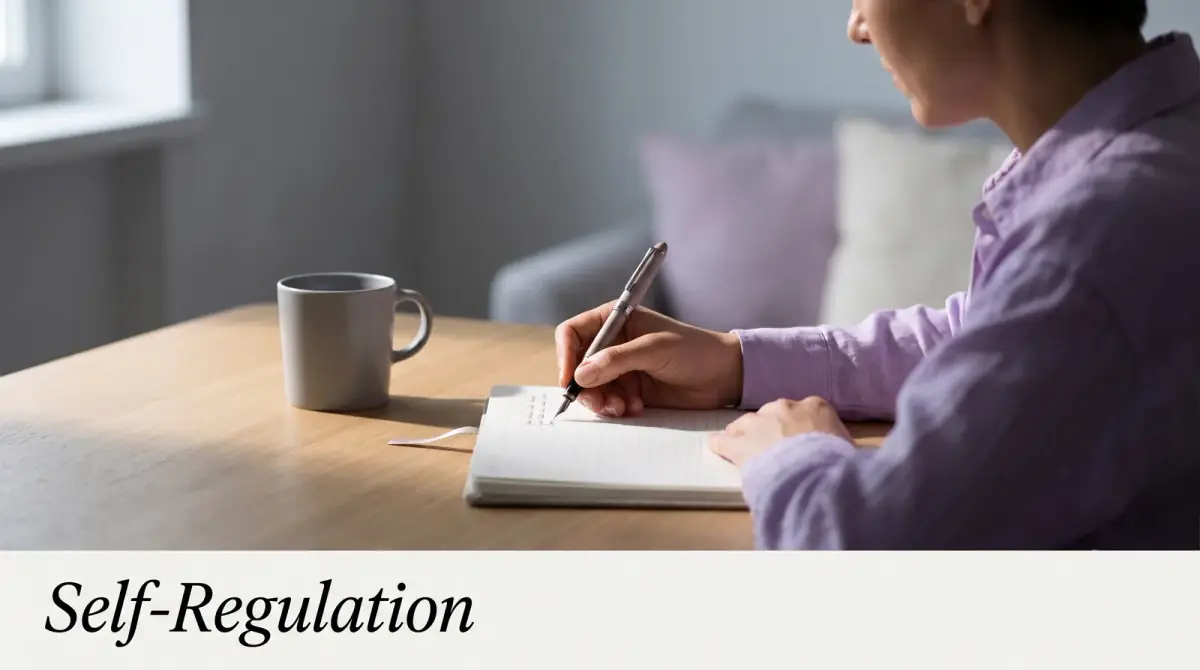
Emotional self-regulation is your ability to manage what you feel so you can respond on purpose instead of reacting on impulse. The encouraging part is that it's a skill, not a fixed personality trait, so you can strengthen it with practice. This guide shows how to notice your triggers, calm your body, and choose your response.
Nobody is born calm under pressure. The people who seem that way have usually built the skill, whether they realize it or not.
What emotional self-regulation is
Let's start with what self regulation means in plain terms. It's the process of steering your emotions, attention, and behavior toward what you actually want, especially when feelings run high.
It doesn't mean bottling things up or never feeling angry. Healthy regulation is about feeling your emotions without letting them drive the car. You stay in the driver's seat.
What self-control really means
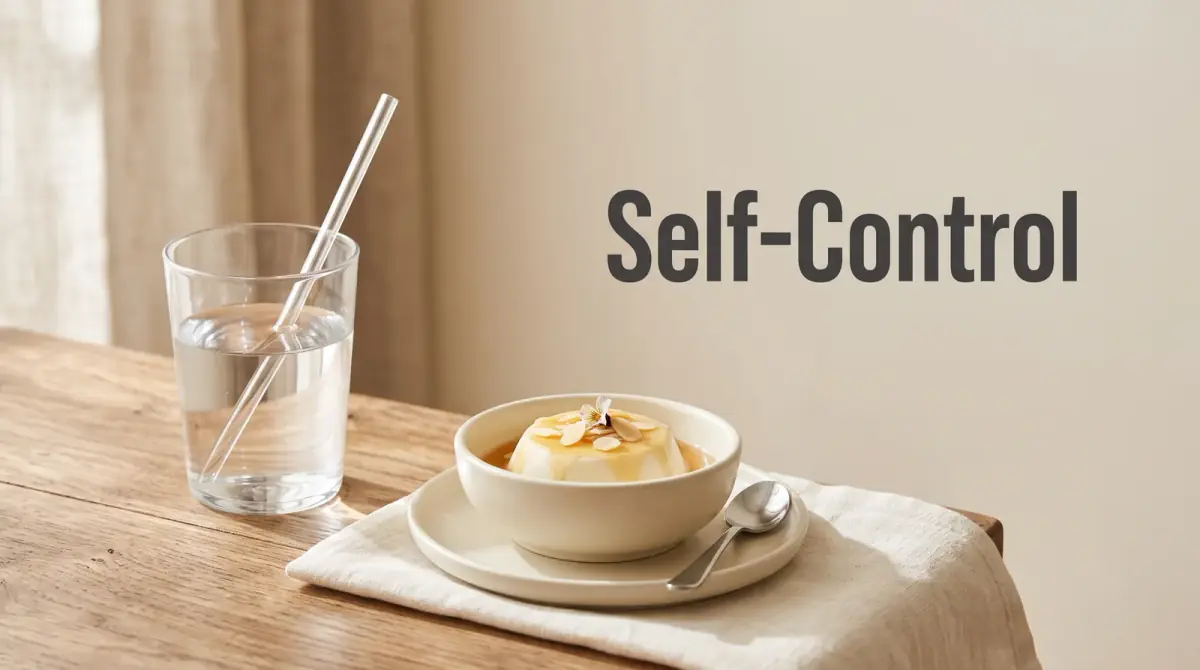
People often mix up self-control and self-regulation, so it's worth separating them. What self control means is the in-the-moment act of resisting an impulse, like holding your tongue or skipping the second slice.
Self-regulation is the bigger skill underneath. It includes self-control, but also noticing what you feel, calming yourself, and planning ahead so tense moments come up less often. Self-control is the sprint. Regulation is the training that makes the sprint easier.
How self-regulation works
Understanding how self regulation works makes it less mysterious. When something triggers you, a fast, emotional part of your brain can react before the slower, thinking part catches up. That's why you can snap and regret it seconds later.
Regulation is about giving the thinking part time to come online. Every skill below is really a way to create that small gap between feeling and action, so you can choose what happens next.
Regulation is not suppression
It's easy to confuse managing emotions with hiding them. They're very different. Suppression pushes feelings down and pretends they aren't there, which tends to make them louder later.
Healthy regulation lets the feeling exist. You acknowledge the anger or fear, then decide what to do with it. The goal isn't a blank face. It's an honest feeling paired with a wise response.
How to regulate an emotion in three steps
When a strong emotion hits, these three steps give you a reliable path from reaction to response. Work through them in order, and go slow at first.
Step 1: Notice your triggers
You can't manage what you don't see. Start paying attention to the situations, people, and moments that reliably set you off. Common triggers include feeling criticized, rushed, ignored, or tired.
Your body often warns you first. A tight chest, clenched jaw, or hot face are early signals that a strong emotion is building. Catching these early gives you a head start.
- Which situations most often push your buttons?
- What does your body do right before you lose your cool?
- What state, like hungry or tired, makes it worse?
Step 2: Calm your nervous system
Once you notice the surge, your first job is to settle your body, not to win the argument. A worked-up nervous system can't think clearly, so calming it comes first.
These simple tools help in the moment:
- Breathe out slowly. Make your exhale longer than your inhale. This gently signals your body to relax.
- Pause and step away. Even a short break interrupts the reaction and gives you room.
- Ground your senses. Feel your feet, name what you see, hold something cool. This pulls you into the present.
- Move. A brisk walk burns off the surge of stress energy.
Different tools suit different people, so experiment and keep what works for you.
Step 3: Choose your response
With your body calmer, the thinking part of your brain can rejoin. Now you get to respond rather than react. This is where regulation pays off.
Ask yourself a quick question: "What do I want to happen here?" Then pick the response that moves you toward it. Sometimes that's speaking up calmly. Sometimes it's letting something go. The point is that you're choosing, not running on autopilot.
Between the trigger and your response there's a gap. Regulation is learning to widen that gap.
Why it feels so hard in the moment
If regulating emotions feels almost impossible when you're upset, you're not weak. In a heated moment, the emotional brain has the upper hand, and clear thinking genuinely gets harder. That's biology, not a character flaw.
This is exactly why the tools above focus on buying time and calming your body first. You're not trying to out-argue a strong feeling. You're giving your calmer self a chance to catch up.
How self-control develops over time
It helps to know how self control develops, because it takes the pressure off. Regulation grows slowly, through repetition, much like physical fitness. Each time you pause instead of snap, you strengthen the habit a little.
A few daily habits make regulation far easier, because they lower your baseline stress:
- Sleep well. A tired brain regulates poorly and reacts fast.
- Move your body. Regular exercise steadies your mood.
- Name your feelings. Putting words to emotions takes some of their heat out.
- Plan for known triggers. Decide in advance how you'll handle a tense meeting or a hard talk.
You'll still have off days. Progress isn't a straight line, and one bad reaction doesn't erase your growth.
When to get extra support
Everyday emotional ups and downs respond well to the practices above. Sometimes emotions feel too big or too constant to manage alone, and that's worth taking seriously.
If strong emotions regularly overwhelm you, harm your relationships, or feel out of your control, consider talking with a doctor or a licensed mental health professional. They can offer tools tailored to you. Asking for help is a sign of strength, not weakness.
Key takeaways
- Emotional self-regulation is a learnable skill, not a fixed trait.
- Self-control is one moment; regulation is the broader skill underneath it.
- Notice your triggers, calm your body, then choose your response.
- Sleep, movement, and naming feelings make regulation easier every day.
- If emotions feel unmanageable, reach out to a professional.
Improving emotional self-regulation won't make you feel less. It helps you feel fully and still act like the person you want to be. Start with one trigger and one calming tool this week, and build from there.


Comments
0 total