
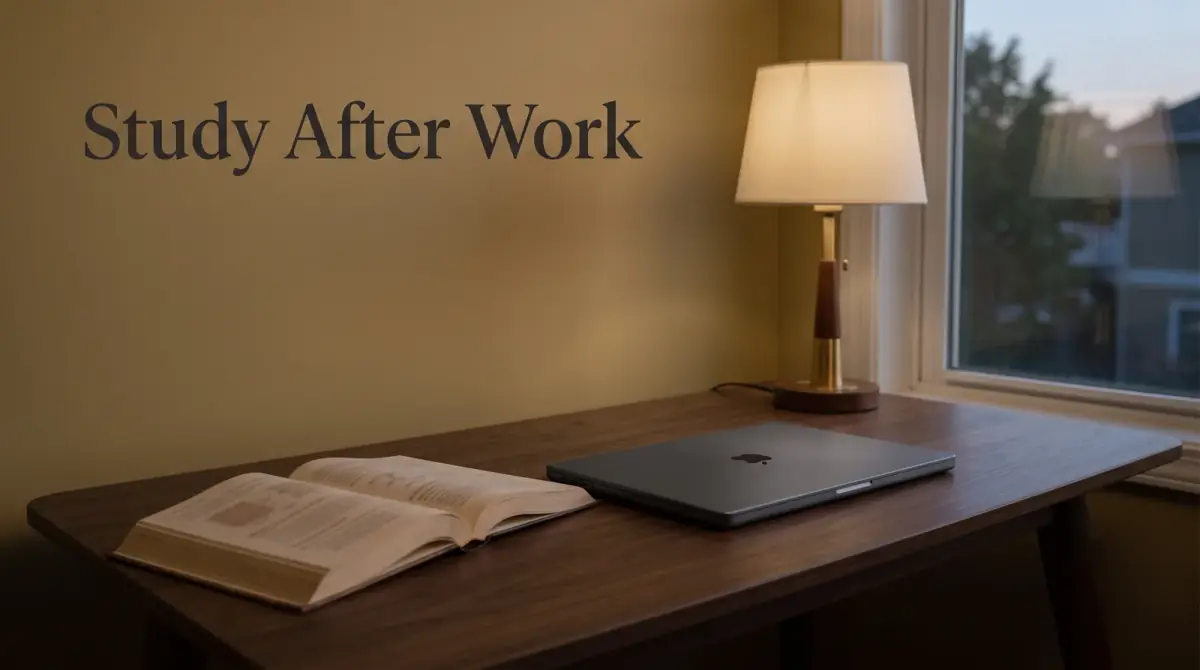
The short answer
Too tired to open a book after a shift? Here is how to stay motivated to study after work using short sessions, energy tricks, and a routine that fits real life.
- Motivation is unreliable after work, so lean on routine and habits instead.
- Keep sessions short, around 20 to 40 minutes, to match low evening energy.
- Study at the same time each day so it becomes automatic.
- Make starting easy, since starting is the hardest part.
- Protect your sleep and eat first, because a tired brain cannot learn well.
The simplest way to stay motivated to study after work is to make studying small, easy to start, and tied to a set time each day. Do not wait to feel inspired, because your willpower is already low after a shift. Short sessions, a fixed routine, and a little reward at the end will carry you further than any burst of motivation.
You are not lazy for finding this hard. Studying on top of a full workday is genuinely demanding, and the trick is to lower the effort it takes, not to push harder.
Key takeaways
- Motivation is unreliable after work, so lean on routine and habits instead.
- Keep sessions short, around 20 to 40 minutes, to match low evening energy.
- Study at the same time each day so it becomes automatic.
- Make starting easy, since starting is the hardest part.
- Protect your sleep and eat first, because a tired brain cannot learn well.
Why studying after work feels so hard
By the evening, you have already made hundreds of small decisions. Your focus is spent, your body wants rest, and the couch looks very inviting. This is normal, not a character flaw.
Once you accept that evening energy is lower, you can plan around it. You stop expecting the same sharp focus you might have at 9 a.m. and start building a routine that works with a tired brain instead of against it. That shift alone takes off a lot of pressure.
It also helps to know a quiet truth about motivation. It usually shows up after you start, not before. If you wait until you feel like studying, most nights you never will. So flip the order. Begin the task first, even in the smallest way, and let motivation catch up. Action creates momentum, and momentum is far more reliable than a good mood.
How to stay motivated to study after work with short sessions
Long study marathons sound impressive but rarely happen after a shift. A short, focused block is far easier to face and far easier to repeat. That is the real secret to how to stay motivated to study after work: keep the sessions small enough that you cannot talk yourself out of them.
Try a 25 to 40 minute block, then take a real break. Many people use a simple timer method:
- Set a timer for 25 minutes and study one thing only.
- Take a 5 minute break to stretch or grab water.
- Repeat once or twice, then stop for the night.
One good block beats a vague plan to study for hours that never starts.
Study at the same time every day
Motivation runs out. Habits do not need it. When you study at the same time each evening, the decision slowly disappears and the routine takes over.
Pick a slot that fits your real life, such as right after dinner or straight after your commute before you sit down. Attach it to something you already do, so the old habit becomes a cue for the new one. After a week or two, it starts to feel automatic, and you stop negotiating with yourself every night.
Guard the slot like an appointment
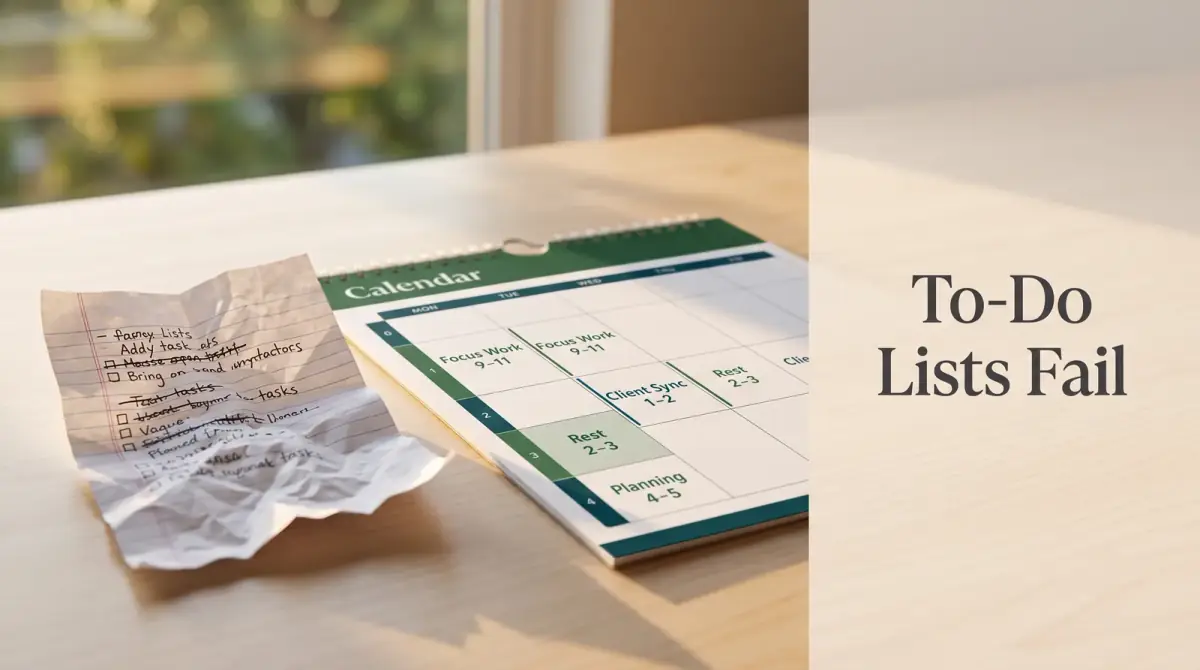
Treat your study time as a small commitment to yourself, not an optional extra. Put it in your calendar, tell your household, and protect it from being the first thing you drop when the day runs long.
Make it easy to start
Starting is the hardest part, so make the first step almost effortless. If your books are packed away, you will find reasons to skip them. If they are already open on the table, you are halfway there.
Try these low-effort starts:
- Set out your materials the night before so nothing is in the way.
- Promise yourself just five minutes, which is often enough to get going.
- Begin with the easiest task to build a quick sense of progress.
Once you lower the barrier, showing up gets much easier, and easy beginnings tend to turn into full sessions.
Work with your energy, not against it
Your brain and body set the limits here, so give them what they need. A few basics make a real difference to whether you can concentrate at all.
- Eat something real before you study, since a hungry brain drifts fast.
- Move a little after work, as a short walk can wake you up more than caffeine.
- Watch late caffeine, because it can wreck the sleep you need to learn.
- Protect your sleep, which quietly powers your memory and focus.
If you are running on four hours of sleep, no motivation trick will fully save the session. Rest is part of studying, not the opposite of it.
Reward yourself and track small wins
Your brain repeats what feels good, so give it a reason to come back. A small reward after each session builds a positive loop around studying.
Keep it simple. A favorite show, a snack, or ten minutes on your phone all work, as long as the reward comes after the work, not before. Over time, the habit itself starts to feel satisfying.
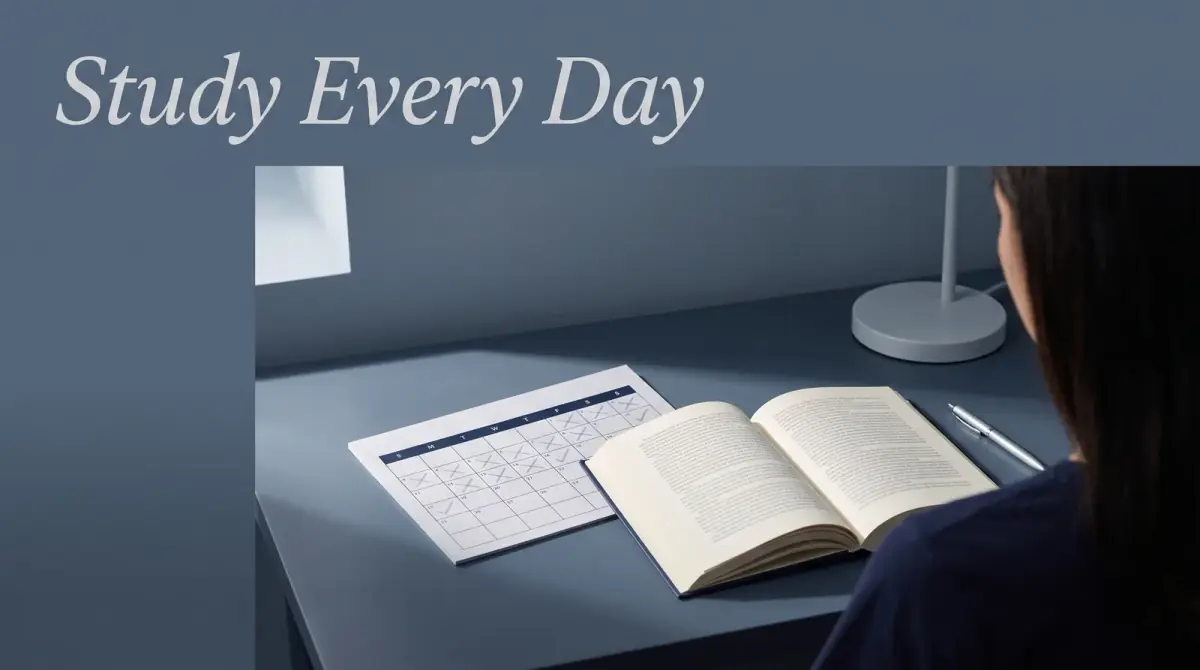
Tracking helps too. Mark an X on a calendar for every day you study, and try not to break the chain. Seeing a run of days builds quiet pride and keeps you going on the nights you would rather quit.
When you truly have nothing left
Some evenings you are genuinely wiped out, and that is fine. On those nights, do not aim for a full session. Do the smallest possible version instead.
Read one page. Review a single flashcard set. Watch a short lesson. A tiny effort keeps the habit alive and stops you from falling off track completely. Consistency matters more than any single big session.
Be honest with yourself, though. If you feel drained and low for weeks on end, that may be burnout rather than simple tiredness, and talking to a doctor or counselor can help. This is general guidance, not medical advice.
Putting it all together
You do not need more discipline to stay motivated to study after work. You need a setup that asks less of your tired evening self. Keep sessions short, study at the same time, make starting easy, and reward the effort.
Results vary from person to person, so give any new routine a couple of weeks before you judge it. Small, steady sessions after work add up faster than you think, and the habit soon carries you when motivation cannot.
Comments
0 total