
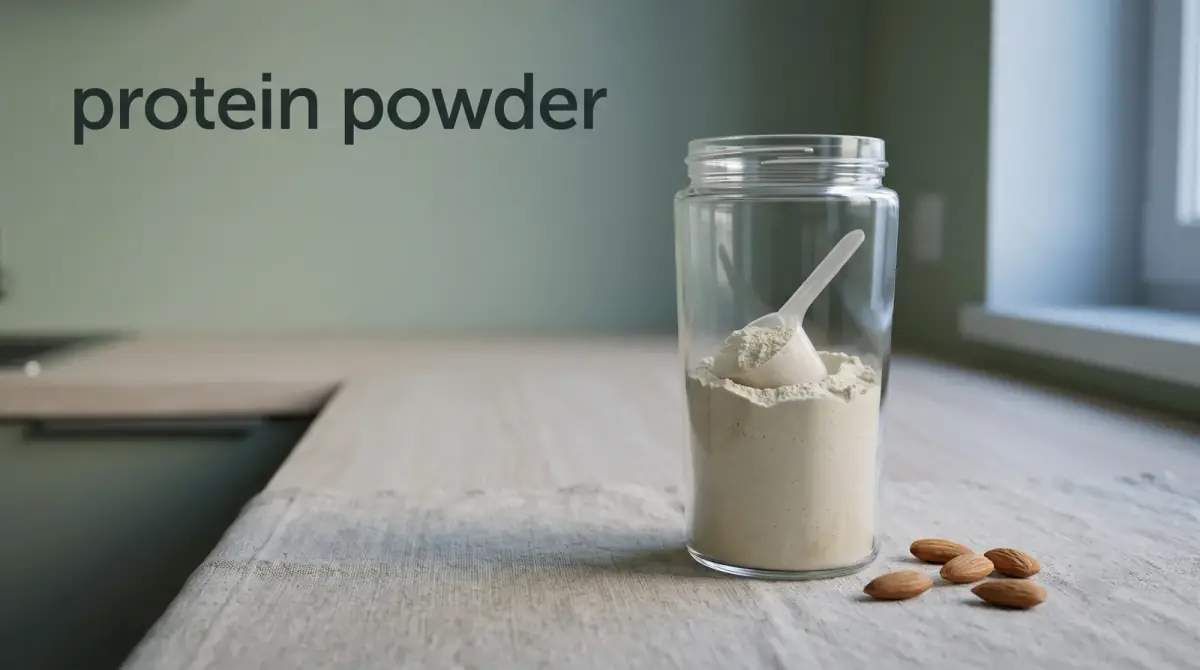
The short answer
Scoop after scoop, is protein powder safe to use every day? We unpack what is really in the tub, how it is made, who benefits, and when to be a little cautious.
- Protein powder is generally safe for healthy adults in normal servings.
- It is a convenience food, not a magic supplement.
- Quality varies, so choose products tested by a third party where possible.
- Very high intake can be hard on some people, especially with kidney issues.
- Whole foods should still form the base of your diet.
Is protein powder safe? For most healthy adults, yes, when used in normal amounts. It is basically concentrated protein pulled from milk, eggs, or plants, and a scoop or two a day is fine for the average person. The real questions are quality, how much you use, and whether you actually need it.
Protein powder gets both hyped and feared, and neither extreme is quite right. Let us look at what is really in the tub, who benefits, and when to be a little cautious.
Key takeaways
- Protein powder is generally safe for healthy adults in normal servings.
- It is a convenience food, not a magic supplement.
- Quality varies, so choose products tested by a third party where possible.
- Very high intake can be hard on some people, especially with kidney issues.
- Whole foods should still form the base of your diet.
What protein powder actually is
At its core, protein powder is just protein taken from a food source and dried into a powder. Common types include whey and casein from milk, plus plant options like pea, soy, rice, and hemp.
Some tubs are simple, with little more than the protein and a bit of flavoring. Others pack in sweeteners, thickeners, added vitamins, or extras you may not want.
Reading the label is the whole game. A short ingredient list you actually recognize is usually a good sign.
Powder is not the same as whole-food protein, though. It gives you the protein without the fiber, healthy fats, and range of nutrients you would get from eggs, fish, or beans. That is fine as a supplement, less so as a stand-in for real meals.
How protein powder is made
Understanding how protein powder is made takes some of the mystery out of it. For whey, the process starts with milk.
Milk is separated into curds and liquid whey during cheese-making. That whey is then filtered to concentrate the protein, dried into a powder, and flavored. Plant powders follow a similar idea, extracting protein from peas or rice and drying it.
It is more of a filtering and drying process than a chemistry experiment. That said, how much processing happens varies from brand to brand.
Plant powders sometimes get an extra step to improve taste and texture, since pea or rice protein can be gritty on its own. None of this makes them unsafe, but it does explain why two tubs of the same type can taste and mix so differently.
Is protein powder safe for everyday use?
For a healthy adult, using protein powder daily is generally considered safe. Your body treats the protein much like protein from food.
Problems tend to come from extremes, not from a normal scoop. Going far over your protein needs, day after day, is where some people run into trouble.
The most common issues are mild and digestive: bloating, gas, or cramps, often from lactose in whey or from added sweeteners. Switching types or brands usually helps.
One old worry is that protein powder harms healthy kidneys. For people with normal kidney function, a sensible intake is not considered a problem. The real caution applies to those who already have kidney disease.
Who should be cautious
Some people should check with a doctor before leaning on protein powder.
- Anyone with kidney disease or reduced kidney function.
- People with liver conditions.
- Those with milk allergies, who should avoid whey and casein.
- Pregnant or breastfeeding people, who should confirm what is right for them.
- Children, unless a pediatrician advises it.
The concern is not that protein is dangerous, but that some conditions need careful protein management. When in doubt, ask a professional.
Teenagers are a common question. Many active teens can get all the protein they need from food, so it is worth checking with a doctor before making daily shakes a habit for a growing body.
Is protein powder good for health, or just hype?
Is protein powder good for health? It can be helpful, but it is a tool, not a requirement. Most people can hit their protein goals with food alone.
Where it shines is convenience. A shake is quick when you are busy, traveling, or not very hungry after a workout. It can also help specific groups meet higher needs.
- Athletes and people doing regular strength training.
- Older adults, who often need more protein yet eat less.
- People recovering from illness or surgery, if advised.
- Those following vegan diets who want an easy protein boost.
If you already eat plenty of protein, an extra shake will not add magic. It just adds protein and cost.
It is easy to overrate, too. A shake will not build muscle on its own; that comes from training and an overall diet with enough total protein. The powder is just a convenient way to top up.
What to look for in the best protein powder
The best protein powder is the one that fits your body, diet, and budget, not the one with the loudest label. A few things help you choose well.
- A short, clear ingredient list.
- Third-party testing, which checks that the product matches its label.
- A protein source that suits you, such as plant-based if you avoid dairy.
- Minimal added sugar and no long list of fillers.
Be wary of products promising dramatic results or stuffed with many extra performance ingredients. Simpler is usually safer, and often cheaper.
How to use it sensibly
Treat protein powder as a supplement to real meals, not a replacement for them. Whole foods bring fiber, vitamins, and minerals a powder cannot match.
Spread your protein across the day rather than dumping it all in one shake. And remember that more is not better once your needs are met.
Watch the total, not just the shake. If you are eating meat, eggs, dairy, and beans through the day, you may already be close to your target, and piling shakes on top mostly adds cost.
Food first, powder to fill the gaps. That simple order keeps most people on the safe side.
The bottom line
This is general information, not medical advice. So, is protein powder safe? For most healthy adults, the honest answer is yes, when used in normal amounts and chosen with a little care.
Pick a quality product, keep whole foods at the center of your diet, and do not overdo the servings. If you have a health condition or feel unsure about your protein needs, check with a doctor or a registered dietitian who can advise for your situation.


Comments
0 total