

The short answer
Home is full of distractions. Discover how to focus while studying at home by setting up a dedicated space, cutting noise, and building a routine that sticks.
- Create a dedicated study zone used only for focused work.
- Set clear boundaries with family, housemates, and screens.
- Build a consistent routine so studying becomes automatic.
- Manage noise and comfort so you stay alert, not sleepy.
- Remove the phone from the room during study blocks.
To focus while studying at home, you need to turn a space built for rest and comfort into one that signals work. Home is where you relax, snack, and scroll, so your brain does not naturally switch into study mode there. The fix is to create clear cues, boundaries, and a routine that tell your mind it is time to concentrate.
Studying at home has real advantages, no commute, no cost, full control of your surroundings, but only if you set it up on purpose. Left to chance, home is a minefield of gentle distractions.
Key takeaways
- Create a dedicated study zone used only for focused work.
- Set clear boundaries with family, housemates, and screens.
- Build a consistent routine so studying becomes automatic.
- Manage noise and comfort so you stay alert, not sleepy.
- Remove the phone from the room during study blocks.
Create a dedicated study zone
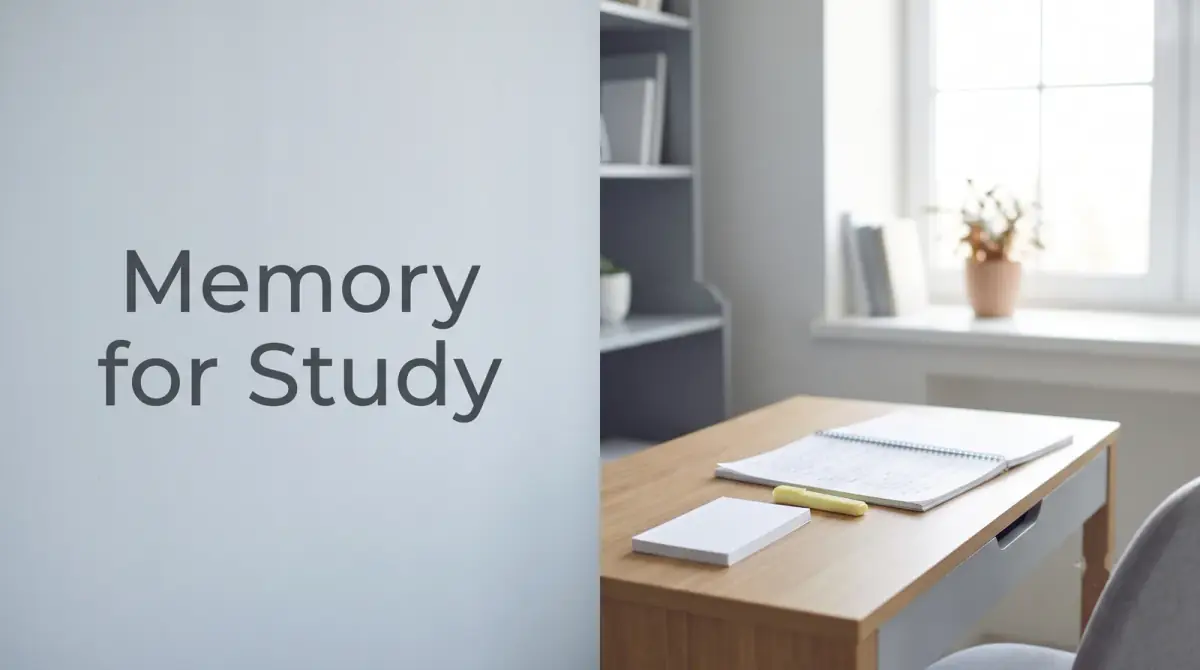
The single most powerful step to focus while studying at home is to give studying its own place. When you always work in the same spot, your brain begins to associate it with concentration, and settling in gets easier over time.
Keep it separate from rest
Avoid studying in bed or on the sofa. Those places are wired in your mind for relaxation and sleep, which fights against focus. A desk or table, even a small one in a corner, works far better.
Set it up for work
Good light, a supportive chair, and only your study materials on the surface make the space feel purposeful. If you cannot have a permanent desk, use a consistent corner and pack your things away afterward, so the ritual of setting up itself signals study time.
Set boundaries with the people around you
At home, interruptions often come from family or housemates who do not realize you are working. A quiet, direct conversation prevents most of them.
- Tell people your study hours. Let them know when you should not be disturbed.
- Use a simple signal. A closed door or headphones can mean do not interrupt.
- Agree on quiet times. In a busy household, coordinate so the space is calm when you need it.
Manage noise and distractions
Household noise, a television, conversations, kitchen sounds, easily breaks concentration. You have more control over this at home than anywhere else, so use it.
Noise-cancelling headphones or steady background sound can mask interruptions. Some people focus best in silence, others with instrumental music or ambient noise. Experiment to learn what helps you focus while studying, and skip anything with lyrics during reading or writing.
Build a study routine
Motivation is unreliable, but routine is dependable. When studying happens at the same times each day, it stops depending on how you feel and becomes simply what you do.
- Pick consistent slots. Study at the same times so your brain expects it.
- Start with a small ritual. A cup of tea, clearing the desk, or a two-minute review can cue focus.
- Work in blocks with breaks. Try focused stretches of thirty to fifty minutes with short rests between.
At home, discipline comes from your environment and routine, not from raw willpower. Design the space, and focus follows.
Remove the phone from the room
At home it is tempting to keep your phone close, but proximity alone drains your attention. Leaving it in another room during study blocks is one of the most effective things you can do. If you need it for study apps, use focus mode and app blockers so it cannot pull you toward social media.
Stay alert, not too comfortable
Home comfort can tip into drowsiness. A too-cozy chair, a warm blanket, or a dim room can make focus slip into sleepiness. Keep your space slightly cooler and well lit, sit upright, and keep water nearby. A little alertness in the body supports a lot of focus in the mind.
Get ready as if leaving the house
One quiet trap of studying at home is staying in pajamas and drifting into the day without a clear start. The lack of a transition keeps your brain in rest mode. A simple morning routine, getting dressed, having breakfast, and starting at a set time, creates the mental shift that tells you the day's work has begun.
You do not need anything elaborate. The point is to mark a clear line between relaxing and working, the way leaving for school or a library naturally would. That small ritual makes it far easier to sit down and focus.
Manage digital distractions
At home, the internet is always within reach, and it is the most common reason focus collapses. Social media, videos, and messages are designed to pull you back again and again. Fighting them with willpower alone rarely works for long.
Instead, use tools that make distraction harder. Website and app blockers can shut off tempting sites during study hours. Turning off notifications removes the constant tug to check. If you tend to open new tabs on impulse, keep only your study materials open and everything else closed. The less friction there is to get distracted, the more often you will slip, so add friction on purpose.
Handle low-motivation days
Some days, focus simply will not come easily, and that is normal when you study at home without the structure of a classroom. On those days, lower the bar instead of giving up. Tell yourself you will study for just ten minutes. Starting is the hardest part, and once you begin, momentum often carries you further than you expected.
Breaking work into very small, concrete tasks also helps. Read one page, answer two questions, or summarize a single section. Small wins rebuild motivation, and a modest amount of focused work beats a whole day of intending to start and never quite doing it.
Questions students ask about studying at home
How long should I study at home in one sitting?
Most people focus well for somewhere between twenty-five and fifty minutes before their attention naturally starts to fade. Rather than forcing a marathon session, work in blocks of that length with a short, genuine break in between. Over a day, several focused blocks add up to far more real learning than hours of half-present study, and you finish feeling less drained.
Is it better to study at a desk or somewhere comfortable?
A desk almost always wins. Soft, cozy spots like your bed or the sofa are wired in your mind for rest, which quietly works against concentration and can tip you toward sleep. A desk or table keeps your body a little more alert and signals to your brain that this is work time, not relaxation.
What if my home is always noisy?
If you cannot control the noise, control what reaches you. Noise-cancelling headphones, steady instrumental sound, or gentle background noise can mask interruptions. Where possible, agree on quiet hours with the people you live with, and choose the calmest room and time of day you can find for your hardest work.
Take real breaks
Breaks restore focus only if they genuinely rest you. Scrolling your phone during a break leaves your mind more scattered, not less. Instead, stand up, stretch, step outside, or grab a snack. Returning from a proper break, you will find it far easier to focus while studying at home for the next block.
Comments
0 total