

The short answer
The adoption fee is the small part. Here is what a dog really costs in the first year, from food and vet care to the setup expenses new owners always forget.
- The first year usually costs the most because of one-time setup and early vet care.
- Food, vet care, and preventives are the steady core of yearly dog expenses.
- Bigger dogs generally cost more to feed, medicate, and board.
- An emergency fund or pet insurance softens the unexpected bills.
- Ask your vet what routine care your specific dog needs, since it varies.
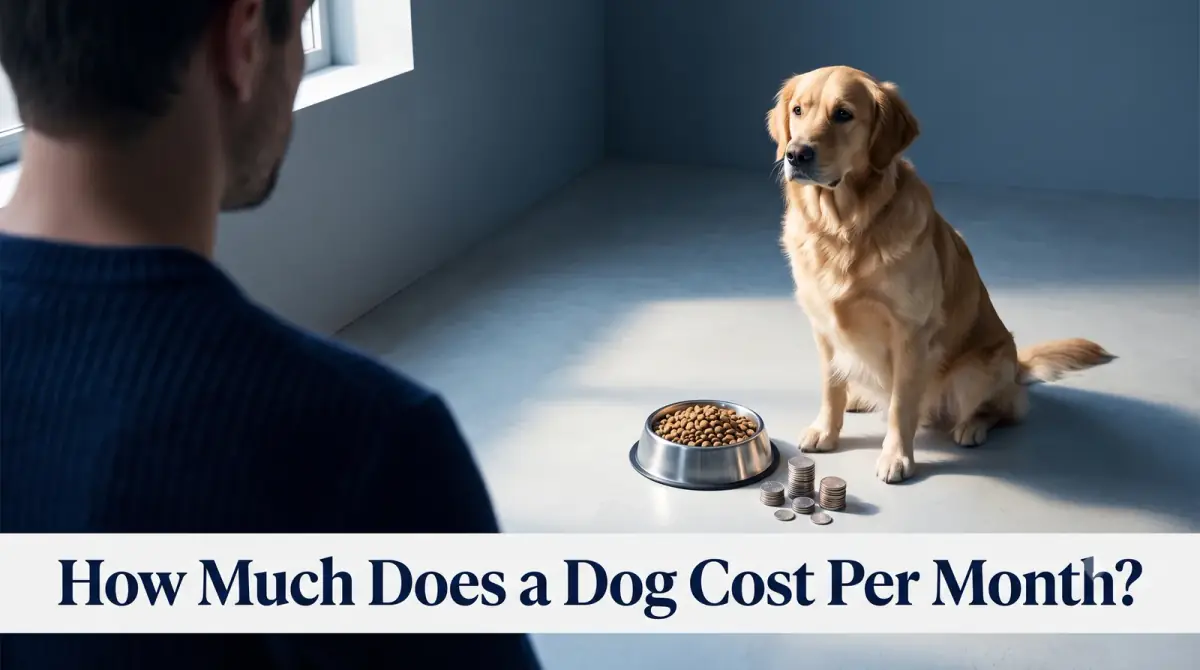
When people ask how much does a dog cost per year, the first year is almost always the most expensive one, and the adoption or purchase fee is only a small slice of it. Between setup gear, early vet visits, food, and the surprises no one warns you about, a new dog costs far more in year one than in any year that follows. The good news is that once you see where the money actually goes, the whole thing becomes something you can plan for.
Costs vary widely by country, city, and the size of your dog, so treat every figure here as a rough guide rather than a fixed price. The categories, however, are the same almost everywhere.
Key takeaways
- The first year usually costs the most because of one-time setup and early vet care.
- Food, vet care, and preventives are the steady core of yearly dog expenses.
- Bigger dogs generally cost more to feed, medicate, and board.
- An emergency fund or pet insurance softens the unexpected bills.
- Ask your vet what routine care your specific dog needs, since it varies.
How much does a dog cost per year in the first year?
The honest answer to how much does a dog cost per year at the start is: more than most people expect, and it lands unevenly. A big chunk of first-year spending arrives in the opening weeks, when you are buying gear and booking initial vet appointments all at once.
After that early rush, spending settles into a steadier monthly rhythm of food, preventives, and small extras. So the first year tends to be front-loaded. If you can get through the setup stretch, the rest of the year feels much calmer on the wallet.
The upfront costs of bringing a dog home
Before your dog even settles in, there is a shopping list to work through. These are mostly one-time purchases, though a few items get replaced as a puppy grows or an energetic chewer destroys them.
- Adoption fee or purchase price, which ranges enormously depending on the source.
- A collar, harness, and lead.
- A bed, a crate, and a couple of blankets.
- Food and water bowls.
- An identification tag, and microchipping where it is not already done.
- Basic grooming tools such as a brush and nail clippers.
- Toys, chews, and a few enrichment items.
None of these are huge on their own, but together they add up quickly. Buying sturdy basics rather than the fanciest version of everything keeps this part sensible without cutting corners on comfort or safety.
Vet care in year one
Early veterinary care is one of the largest and most important parts of first-year dog costs. A puppy or newly adopted dog usually needs a general health check, a course of vaccinations, and treatments to prevent worms, fleas, and ticks.
Most owners also budget for spaying or neutering, which is a common one-time procedure in the first year. On top of that, an initial vet visit is the moment to set up a routine care plan tailored to your dog.
Because every dog is different, the exact schedule and cost of vaccinations and preventive care will depend on your dog's age, breed, and where you live. Your vet is the right person to tell you what your particular dog needs and when, so ask them to map out the first year for you.
Food and everyday supplies
Food is the expense that never stops, and it is one of the biggest ongoing pieces of the cost of owning a dog. How much you spend depends heavily on your dog's size and the quality of food you choose, since a large breed eats far more than a small one.
Alongside the main meals, there are treats for training, poop bags, and the slow replacement of chewed toys and worn bedding. Individually these are minor, but across a full year they form a steady trickle of spending that is easy to underestimate.
A simple way to estimate food
Check the daily feeding guide on your chosen food, work out how long a bag lasts, and multiply outward to a monthly and yearly figure. That single calculation turns a vague worry into a real number you can plan around.
Training, grooming, and services
Many first-year owners invest in services that make life smoother, and these can be a meaningful part of dog expenses. A puppy or beginner training class is one of the most worthwhile, since good early habits prevent years of frustration.
- Training: Group classes or a few private sessions to cover the basics.
- Grooming: Regular trims for breeds with coats that need professional care.
- Daycare or dog walking: Helpful if you work long hours away from home.
- Boarding or pet sitting: For the times you travel without your dog.
Not every dog needs all of these, and how much you spend is largely a matter of your schedule and your dog's coat and temperament. Still, it is wise to picture which of these you are likely to use before the bills arrive.
The surprises new owners forget to budget for
The costs that catch people off guard are rarely the obvious ones. It is the unplanned expenses that turn a comfortable budget into a stressful one, so it helps to expect a few of them.
- A chewed shoe, phone cable, or corner of the sofa in the early months.
- Extra cleaning supplies for the inevitable accidents during house training.
- A replacement lead or harness as a puppy grows out of the first size.
- An unexpected trip to the vet for an upset stomach or a minor scrape.
This last point matters most. Dogs, like all animals, can fall ill or get hurt without warning, and an emergency visit can be costly. Setting aside a small emergency fund, or looking into pet insurance early, is one of the smartest moves a new owner can make. Because policies and prices differ so much, it is worth comparing options and asking your vet what tends to come up for dogs like yours.
Making the first year affordable
Owning a dog does not have to break the bank, and a little planning goes a long way. Spreading the one-time purchases over a few weeks, rather than buying everything at once, eases the early crunch.
Beyond that, you can prioritize the essentials such as good food, preventive care, and training, while treating luxuries as optional extras. Above all, build the routine costs into your monthly budget from day one so nothing feels like a shock.
The first year asks the most of you, both in money and in energy. Go into it with clear eyes and a realistic budget, and the reward is a healthy, well-settled dog and years of far cheaper, far happier companionship ahead.


Comments
0 total