
The short answer
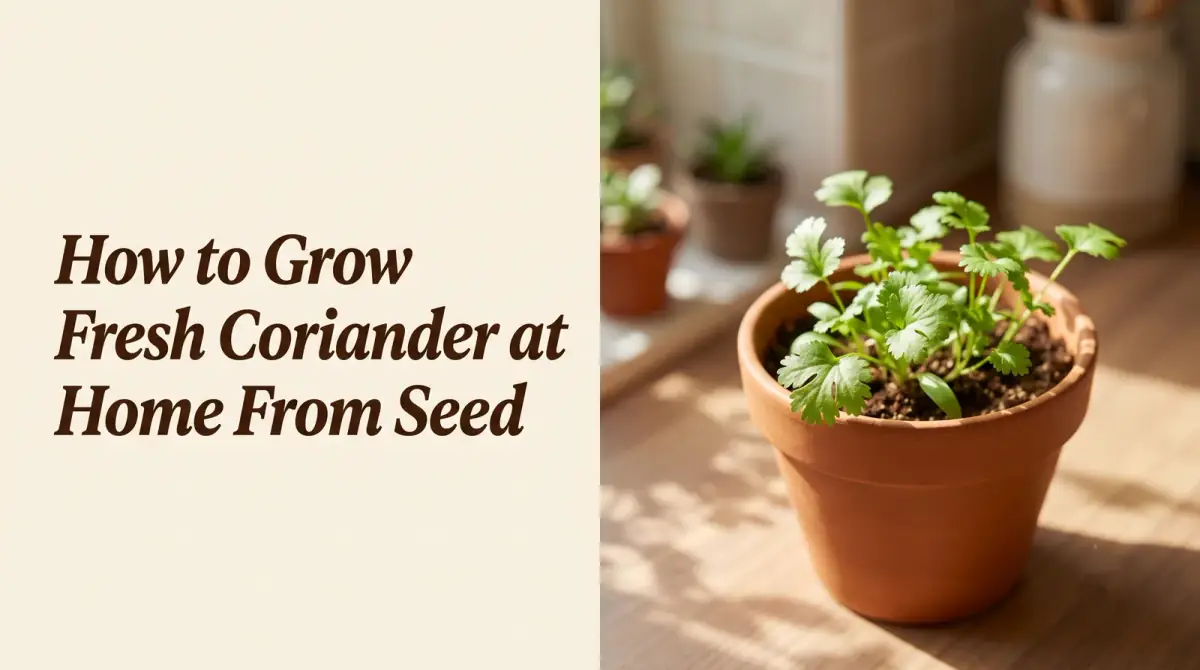
Tired of supermarket bunches that wilt in days? Learn how to grow coriander at home from seed, in a pot or on a windowsill, for a steady supply all season long.
- Sow seeds straight into their final pot, since coriander hates being moved.
- Give it a sunny but not scorching spot and evenly moist soil.
- Harvest the outer leaves often to keep the plant producing.
- Sow a fresh batch every few weeks for a steady, continuous supply.
- Heat and root disturbance make it bolt, so keep it cool and calm.
Learning how to grow coriander at home comes down to a few simple habits: sow the seeds where the plant will stay, keep the soil evenly moist, and harvest little and often. Coriander, known as cilantro when you mean the leaves, sprouts within a couple of weeks and gives you fresh leaves in about a month. Grow it in a pot on a sunny windowsill or outside in a container, and you can skip the sad supermarket bunches for good.
The one thing coriander dislikes is being disturbed, so the trick is to plant it in its final home and let it settle. Do that, and it is one of the most rewarding herbs you can grow.
Key takeaways
- Sow seeds straight into their final pot, since coriander hates being moved.
- Give it a sunny but not scorching spot and evenly moist soil.
- Harvest the outer leaves often to keep the plant producing.
- Sow a fresh batch every few weeks for a steady, continuous supply.
- Heat and root disturbance make it bolt, so keep it cool and calm.
What you need to get started
You do not need much to grow a good crop of coriander. A little preparation now saves frustration later, so gather a few basics before you sow.
- Coriander seeds, which are cheap and widely sold as a herb or a spice.
- A deep pot, at least eight inches deep, because coriander has a long taproot.
- Free-draining potting compost, ideally with a little extra grit or perlite.
- A sunny windowsill or sheltered spot that gets four to six hours of light.
A deep container matters more than people expect. The plant sends down a taproot, and a shallow tray cramps it, which is one reason windowsill coriander so often flops.
How to grow coriander at home step by step
The whole process is refreshingly straightforward. Follow these steps and you will have seedlings within a couple of weeks.
- Fill your pot with moist compost, leaving a little space below the rim.
- Scatter the seeds thinly across the surface rather than in a single clump.
- Cover them with about half an inch of compost and firm it down gently.
- Water lightly so the surface is damp but not waterlogged.
- Place the pot somewhere warm and bright and keep the soil evenly moist.
Germination usually takes one to three weeks. To speed it up, some gardeners gently crush the round seeds first, since each one actually holds two seedlings. Once shoots appear, thin the weakest so the strongest have room to grow.
How to grow cilantro from seed indoors
Growing coriander on a windowsill works well as long as you give it enough light. A south or west-facing sill is ideal, since the plant wants several hours of sun a day. If your home is dim, a simple grow light on a timer keeps seedlings from stretching and going leggy.
Indoor air tends to be dry, so check the soil more often than you would outside. When you grow cilantro from seed indoors, the goal is steady moisture, never a swing between bone dry and soaking. Turn the pot every few days so the plants grow evenly rather than leaning toward the glass.
Growing coriander in pots outdoors
Outdoors, coriander in pots thrives in spring and autumn when the weather is mild. It dislikes the peak of summer, because intense heat pushes it to flower and set seed early. A spot with morning sun and light afternoon shade is close to perfect.
Container growing has a real advantage here. You can move the pot to catch the sun in cool weather and shift it into shade during a hot spell, which helps keep the plant producing leaves for longer. Just make sure the container drains freely, since standing water rots the roots.
Watering and feeding
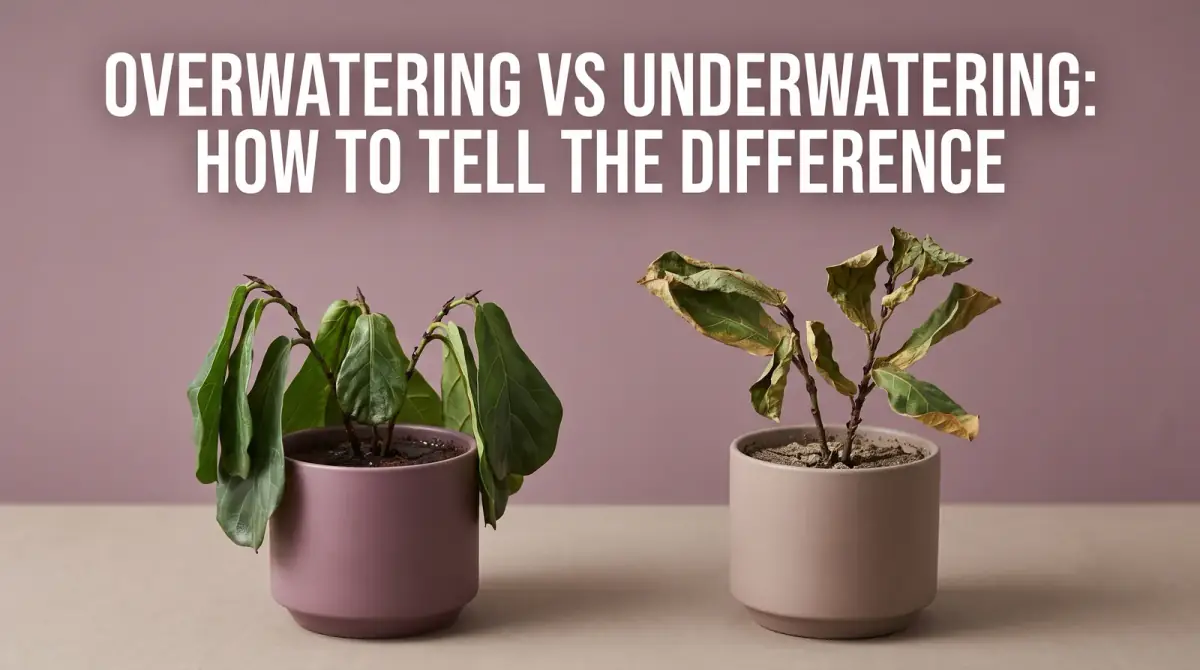
Coriander likes consistency more than abundance. Keep the compost evenly moist, watering when the top of the soil starts to feel dry, and avoid letting it dry out completely. Dry spells stress the plant and, like heat, encourage it to bolt.
Feeding is optional but helpful. A weak dose of general liquid fertiliser every couple of weeks keeps the leaves lush and green. Do not overdo it, though, because too much feed produces soft growth with less of the flavour you are after.
Harvesting for a steady supply
The secret to a long harvest is to pick little and often. Once plants are around six inches tall, start snipping the outer leaves and stems, always leaving the central growing point intact. Treated this way, a plant keeps sending up fresh leaves for weeks.
Never strip a plant bare in one go, as that checks its growth. Instead, take what you need for a meal and let the rest carry on. Cutting regularly also helps delay flowering, since the plant stays in leaf-producing mode.
Which coriander variety to grow
Most seed packets simply say coriander, and honestly any of them will grow happily on a windowsill. If you do have a choice, look for a variety described as slow to bolt or as leaf coriander. These are bred to stay in leaf for longer before flowering, which means more harvests from every pot you sow.
Standard varieties are still well worth growing, especially if you also want the seeds for cooking. In practice, the growing method matters far more than the variety, so there is no need to agonise over the packet. Steady moisture, a cool spot, and regular picking will do more for your crop than any single seed choice ever could.
Why coriander bolts, and how to slow it
Bolting is when coriander suddenly shoots up a flower stalk and stops making tasty leaves. It is the most common frustration for new growers, and it usually comes down to stress. Heat, dry soil, cramped roots, and being transplanted all trigger it.
You cannot stop bolting forever, but you can delay it. Keep the plant cool and evenly watered, sow directly so the roots are never disturbed, and choose a slow-bolting variety if you can find one. When a plant does flower, let some go to seed. Those seeds are the coriander spice, and you can save them to sow the next batch.
Keeping the harvest going all season
Because each coriander plant has a fairly short leafy life, the real key to a constant supply is succession sowing. Simply sow a small fresh batch every two to three weeks. As one pot starts to flower, the next is already coming up behind it.
This gentle rhythm is the heart of growing herbs indoors or out without ever running short. Once you get into the habit, learning how to grow coriander at home stops being a project and becomes a small, satisfying routine that keeps your kitchen stocked with fresh, fragrant leaves.
Comments
0 total