
The short answer
Those tiny flies hovering over your pots are fungus gnats, and damp soil is why they stay. Here is how to get rid of gnats in plants for good with simple, safe steps.
- Fungus gnats breed in constantly damp potting soil.
- Letting the top of the soil dry out is the core fix.
- Yellow sticky traps catch the flying adults.
- Treat the soil to break the larvae stage of the cycle.
- Prevention means watering less and improving drainage.
The fastest way to learn how to get rid of gnats in plants is to attack the problem at its source: soggy soil. Let the top inch or two of soil dry out fully between waterings, set out yellow sticky traps to catch the adults, and treat the soil to kill the larvae. Do all three together and a gnat infestation usually clears within a couple of weeks.
Those little black flies drifting up when you touch a pot are almost always fungus gnats. They are annoying rather than dangerous, but they multiply quickly, so it pays to act early and stay consistent.
Key takeaways
- Fungus gnats breed in constantly damp potting soil.
- Letting the top of the soil dry out is the core fix.
- Yellow sticky traps catch the flying adults.
- Treat the soil to break the larvae stage of the cycle.
- Prevention means watering less and improving drainage.
Why you have tiny flies in plant soil
Fungus gnats are drawn to moisture and the fungus that grows in wet organic matter. When potting mix stays damp near the surface, it becomes the perfect nursery for their eggs. The adults you see are only part of the story, because the real damage happens below the surface where larvae feed on roots and decaying material.
This is why the problem feels endless if you only swat the adults. Every fly you miss can lay dozens of eggs, and those hatch into a new generation within days. Understanding this cycle is the key to breaking it, because you have to target the larvae in the soil, not just the flies in the air.
Overwatering is almost always the underlying cause. Rich, peat-heavy mixes that hold water make things worse, and so does a pot with poor drainage that never fully dries out.
How to get rid of gnats in plants step by step
A steady, combined approach works far better than any single trick. Here is a simple order to follow.
- Dry out the soil. Stop watering until the top inch or two feels dry, and then some. Larvae cannot survive in dry conditions, so this alone weakens the whole population.
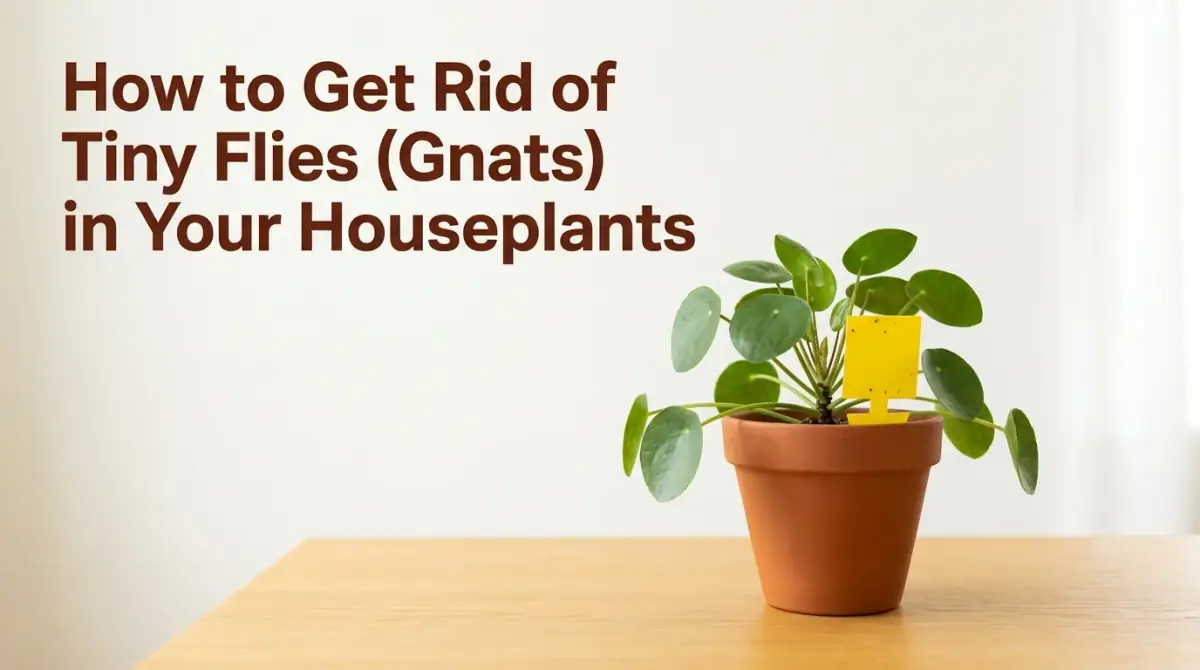
- Set sticky traps. Place yellow sticky traps flat on the soil or just above it to capture the adults before they lay more eggs.
- Treat the larvae. Water with a soil drench that targets gnat larvae, or use the sand-topping trick described below.
- Repeat and monitor. Keep it up for two to three weeks, since eggs will keep hatching until the cycle is fully broken.
Consistency matters more than intensity here. Because the gnat life cycle runs in overlapping waves, skipping a few days can undo your progress and let the population rebound.
Simple home treatments that work
You do not need harsh chemicals to clear fungus gnats from a houseplant. Several gentle methods are effective when used together.
The dry-soil method
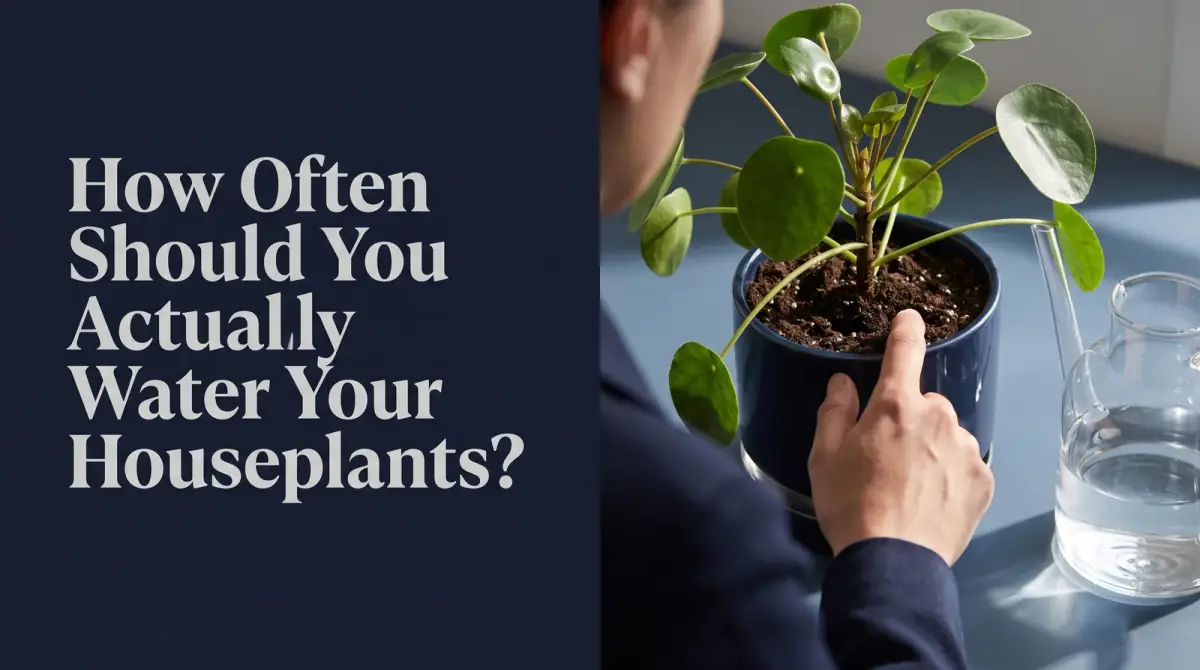
Simply letting the soil dry deeply between waterings is the most powerful tool you have. Bottom watering, where you let the pot soak up moisture from a tray, keeps the surface dry while still hydrating the roots. Dry topsoil is inhospitable to eggs and larvae alike.
A sand or grit topping
Adding a half-inch layer of coarse sand, fine gravel, or grit on top of the soil creates a dry barrier. Adults struggle to reach the moist soil to lay eggs, and any that hatch have trouble getting out.
A hydrogen peroxide drench
A diluted hydrogen peroxide solution, roughly one part peroxide to four parts water, can be poured through the soil to kill larvae on contact. It fizzes briefly, then breaks down harmlessly into water and oxygen, so it is safe for most plants when diluted.
Sticky traps and other catchers
While you dry things out and treat the soil, you still want to knock down the adult flies. Yellow sticky traps are the classic answer, because gnats are strongly attracted to the color yellow and get stuck fast. Lay them near the soil surface where the flies gather.
A shallow dish of apple cider vinegar with a drop of dish soap also lures and drowns some adults. It will not solve the problem on its own, but paired with the soil treatment it helps thin the flying crowd more quickly.
How to stop gnats in potting soil coming back
Clearing an infestation is only half the job. Keeping gnats in potting soil from returning is about changing the conditions that invited them in the first place.
- Water less often. Let plants dry out appropriately between drinks instead of keeping soil constantly moist.
- Improve drainage. Use pots with drainage holes and empty any saucer so roots never sit in water.
- Choose a grittier mix. Adding perlite or sand helps soil dry faster and holds fewer eggs.
- Store bags of soil sealed. Fresh potting mix can already contain gnat eggs, so keep opened bags closed and dry.
- Quarantine new plants. Keep new arrivals apart for a week or two so any hidden pests do not spread.
In short, a plant that dries out between waterings is a plant gnats do not want to live in. Fix the moisture and you fix the pest.
When the problem will not budge
Most gnat outbreaks respond to patient, consistent treatment within a few weeks. If yours keeps coming back despite drier soil and traps, look for a hidden source of moisture, such as a drip tray you keep forgetting to empty or a pot that never truly dries in the center.
For a stubborn case, repotting can reset things entirely. Gently remove the plant, rinse away the old infested mix, and replant in fresh, fast-draining soil. It is a bit of work, but it gives your plant a clean start and removes the larvae in one go. For a truly stubborn pot, this reset is often the final word in how to get rid of gnats in plants that simply will not quit.
Are fungus gnats harmful to plants or people?
For people, fungus gnats are a nuisance and nothing more. They do not bite, sting, or spread disease around your home, so there is no health reason to panic.
For plants, the risk is usually mild. Healthy, established plants shrug off the larvae, but seedlings and delicate cuttings can suffer if larvae nibble their tender roots. That is the main reason to deal with an infestation promptly rather than living with it, because your youngest and most vulnerable plants are the ones with the most to lose.
Comments
0 total