
The short answer
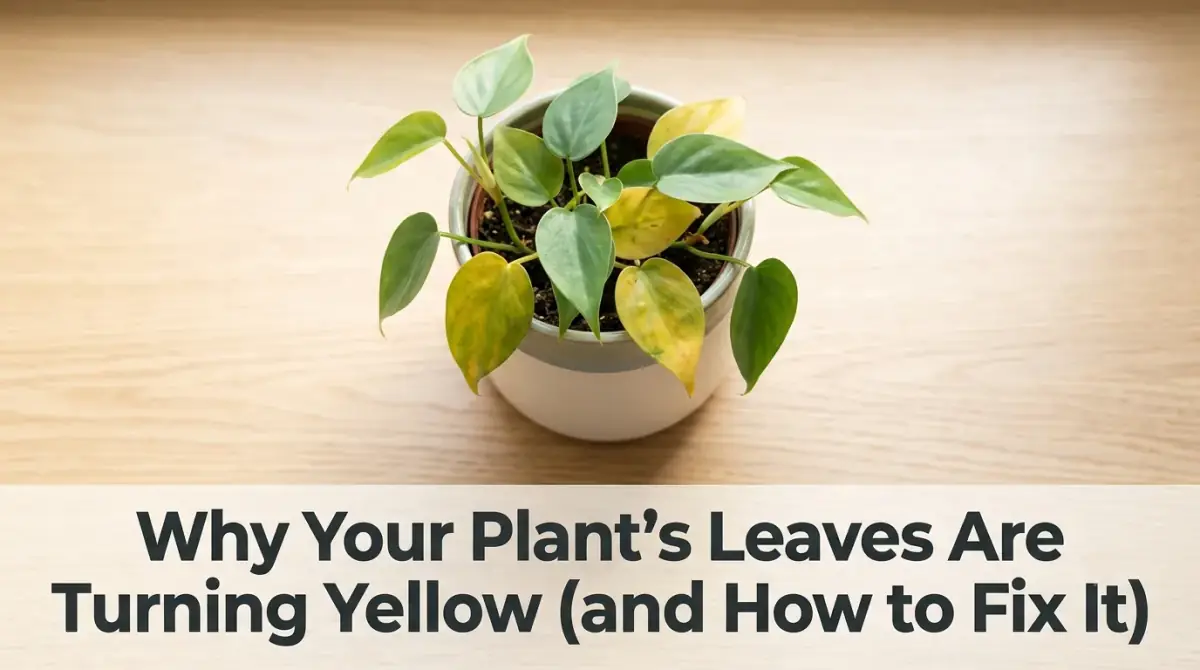
Yellow leaves on your houseplant usually trace back to watering, light, or nutrients. Here is why plant leaves turn yellow and the simple fix for each common cause.
- Overwatering is the single most common reason leaves go yellow.
- Too little light drains the color from lower and inner leaves.
- Nutrient shortages show up as pale, yellowing foliage over time.
- A few yellow leaves at the bottom can be completely normal.
- Check the soil and the light before you change anything.
If you have noticed yellow leaves on your houseplant, the reason almost always comes down to a handful of common culprits, and each one has a simple fix. The main answers to why plant leaves turn yellow are watering problems, poor light, low nutrients, or the natural fact that old leaves fade and drop. Once you match the yellowing to its cause, the solution is often as easy as tweaking a routine you already follow.
Yellowing is your plant's way of waving a small flag. It rarely means the plant is doomed, and it usually gives you plenty of time to respond.
Here is the quick version before we dig in:
- Overwatering is the single most common reason leaves go yellow.
- Too little light drains the color from lower and inner leaves.
- Nutrient shortages show up as pale, yellowing foliage over time.
- A few yellow leaves at the bottom can be completely normal.
- Check the soil and the light before you change anything.
What yellow leaves are really telling you
A healthy leaf is green because of chlorophyll, the pigment that turns light into food. When a leaf turns yellow, it is losing that chlorophyll, which means something is interrupting the plant's ability to feed itself.
The tricky part is that many different problems produce the same yellow signal. Water, light, and nutrients all affect the same system, so the color alone will not always name the cause. That is why it helps to read the other clues, like which leaves are affected and how the soil feels.
Pay attention to the pattern. Yellowing that starts at the bottom often points to a different issue than yellowing at the newest growth, and we will walk through both.
Overwatering: the most common cause
If you take away one idea, let it be this: overwatering yellow leaves are far more common than thirsty ones. When soil stays soggy, the roots cannot breathe, and roots that cannot breathe stop delivering water and nutrients to the leaves. The result is soft, yellowing foliage, often on the lower half of the plant.
Check the top inch or two of soil with your finger. If it feels wet and the leaves are yellow, you are likely watering too often. Overly damp soil can also smell sour, which is another warning sign.
The fix is patience. Let the soil dry out more between waterings, make sure the pot has drainage holes, and never leave it sitting in a saucer of standing water. If the mix stays wet for many days, consider repotting into fresh, well-draining soil.
Underwatering and dry roots
The opposite problem also turns leaves yellow, just with different clues. When a plant goes too long without water, the leaves may yellow, then turn crisp and brown at the edges before they drop.
Feel the soil again. If it is bone dry and pulling away from the sides of the pot, your plant is thirsty. Very dry mix can even repel water, so it runs down the sides instead of soaking in.
To rehydrate stubborn soil, water slowly and thoroughly, or set the pot in a shallow tray of water for a half hour so the mix can absorb from below. Then return to a steady schedule based on how the soil feels, not the calendar.
Why plant leaves turn yellow from low light
Light is food, so it is no surprise that a shortage shows up in the leaves. When a plant does not get enough light, it often sacrifices its older, lower leaves first, letting them yellow and drop so it can send energy to newer growth reaching for the window.
If the yellowing is worst on the side facing away from the light, that is a strong hint. Plants stretched tall and leggy with pale leaves are usually asking to move closer to a bright spot.
Try relocating the plant to a brighter position, though not into harsh midday sun that could scorch it. Rotating the pot every week or two also helps every side get its fair share.
Nutrient shortages and tired soil
Over months and years, a plant uses up the nutrients in its pot, and old potting mix simply runs out of fuel. When key nutrients like nitrogen run low, leaves fade to a pale green and then yellow, frequently starting with the older foliage.
Sometimes the pattern is more specific. Yellow leaves with green veins can point to a shortage of iron or other minerals, especially in fast-growing plants.
During the growing season, a balanced houseplant fertilizer used at the recommended strength usually solves this. Refreshing the top layer of soil or repotting every year or two also restores what watering slowly washes away. Go easy, though, since too much fertilizer can burn roots and cause its own yellowing.
Pests, cold drafts, and other triggers
A few less obvious problems can also drain the green from your leaves. Tiny pests such as spider mites and aphids feed on the plant and leave behind stippled, yellowing patches. Turn a leaf over and look closely for specks, webbing, or sticky residue.
Temperature matters too. A plant parked near a cold draft, an air conditioner, or a hot radiator can respond with sudden yellow leaves. Most houseplants prefer stable, comfortable room temperatures without big swings.
Even a recent move or repotting can trigger a little yellowing as the plant adjusts. If nothing else is wrong, give it a week or two of steady care before you worry.
How to figure out which cause is yours
When you are asking why is my plant turning yellow, resist the urge to change everything at once. A calm, step-by-step check will point you to the real problem faster.
- Feel the soil. Soggy suggests overwatering, bone dry suggests thirst.
- Look at the light. Is the plant far from a window or in a dim corner?
- Note the pattern. Old lower leaves, new growth, or spotty patches each tell a different story.
- Inspect for pests under the leaves and along the stems.
- Think about recent changes, like a new spot, a cold draft, or a repot.
Change one thing at a time and give the plant a couple of weeks to respond. Chasing several fixes at once makes it impossible to know what actually helped.
When yellow leaves are perfectly normal
Not every yellow leaf is a crisis. Plants naturally shed their oldest leaves as they grow, so an occasional yellow leaf near the bottom is often just routine housekeeping.
The signal to act is a pattern: several leaves yellowing at once, yellowing that climbs up the plant, or new growth losing its color. That is when it pays to run through the checklist above.
One more note of reassurance. A leaf that has already turned fully yellow will not turn green again, so you can pinch it off. What you are protecting is the healthy growth still to come.
The bottom line
Understanding why plant leaves turn yellow really comes down to reading a few clear clues. Check the soil, check the light, consider nutrients and pests, then adjust one factor and watch. Results vary from plant to plant, but with steady, attentive care, most houseplants bounce back and push out fresh green growth.
Comments
0 total