
The short answer
There is no perfect watering schedule for houseplants. Learn how often to water houseplants with the simple finger test, plus the clear signs of over and under watering.
- Water when the soil is dry, not when the calendar says so.
- The finger test beats almost every fancy gadget for checking moisture.
- Light, heat, pot size, and season all change how fast soil dries.
- Overwatering kills more houseplants than underwatering does.
- When you do water, water deeply and let the excess drain away.
The honest answer to how often to water houseplants is that no single schedule fits every plant or every home. Most houseplants want water only when the top inch or two of their soil has dried out, which can mean every few days for a thirsty fern or every couple of weeks for a cactus. Watering by what the plant actually needs, rather than by a date on the calendar, is the one habit that keeps a windowsill green instead of soggy.
Once you stop counting days and start reading the soil, plant care gets far simpler. Your job is to learn the signals, not to memorize a rule.
Key takeaways
- Water when the soil is dry, not when the calendar says so.
- The finger test beats almost every fancy gadget for checking moisture.
- Light, heat, pot size, and season all change how fast soil dries.
- Overwatering kills more houseplants than underwatering does.
- When you do water, water deeply and let the excess drain away.
Why a fixed watering schedule usually fails
It is tempting to write "water every Sunday" on a sticky note and call it done. The trouble is that a plant does not drink on a timetable. It drinks based on how much light it gets, how warm the room is, and how much moisture is already sitting around its roots.
A pothos beside a bright window in July will empty its pot far faster than the same plant in a dim hallway in January. Follow one rigid schedule and you will eventually water a plant that is still damp, or leave a parched one gasping. A living plant needs a flexible response, not a fixed appointment.
How often to water houseplants: the finger test
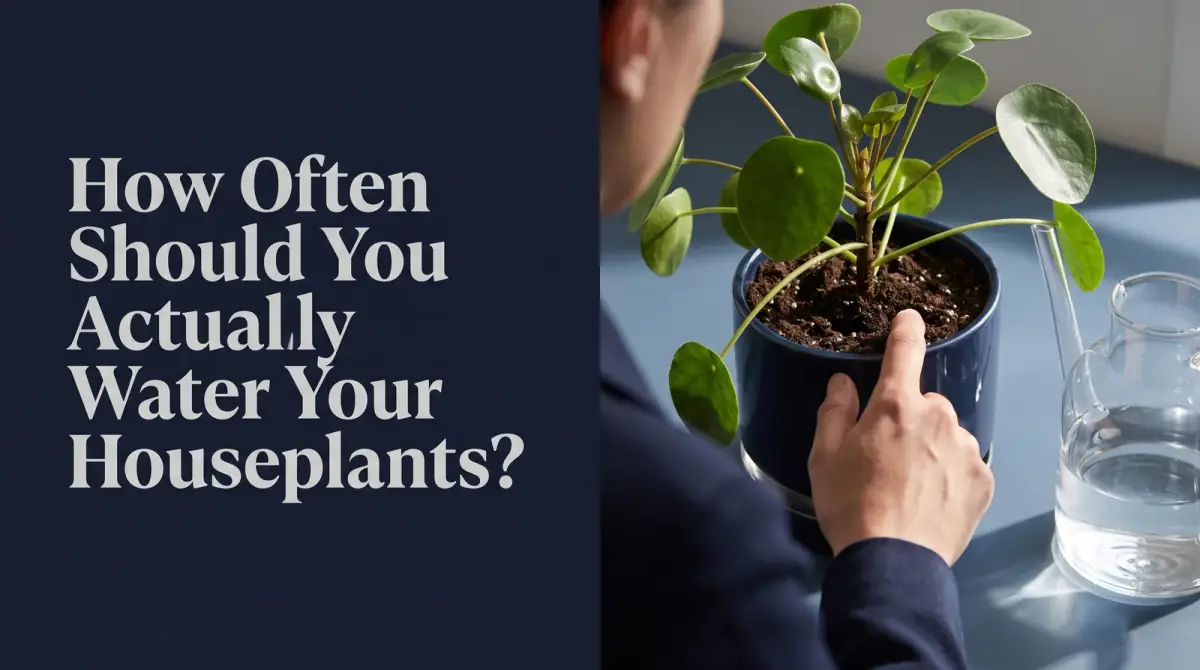
The most reliable way to judge how often to water houseplants costs nothing and lives on the end of your hand. Push a finger about two inches into the soil, roughly up to the second knuckle, and pay attention to what you feel.
- Dry and crumbly? It is time to water most plants.
- Cool and slightly damp? Wait a few days and check again.
- Wet and muddy? Hold off entirely, and make sure the pot is draining.
Different plants like to dry out to different depths. Succulents and cacti prefer their soil to go nearly bone dry, while ferns and calatheas like it lightly moist at all times. Learn the preference of each plant you own, and the finger test tells you the rest.
What changes how thirsty a plant gets
If you understand what speeds up or slows down drying, you can almost predict when a plant will need a drink. A handful of factors do most of the work.
Light and warmth
More light and higher temperatures mean faster water use. A plant basking in a sunny south-facing window will dry out much quicker than one tucked into a shady corner.
Pot size and material
Small pots dry out fast because they hold little soil. Terracotta breathes and wicks moisture away, so clay pots dry sooner than glazed ceramic or plastic ones.
Season
Most houseplants grow actively in spring and summer, then rest through autumn and winter. During that resting stretch they drink far less, so your watering naturally slows down too.
Signs of overwatering to watch for
Here is the uncomfortable truth: more houseplants die from kindness than from neglect. The signs of overwatering can be sneaky because they often look like thirst, which tempts people to add even more water.
- Yellowing leaves, especially lower ones that feel soft or mushy.
- A musty smell rising from the soil.
- Soil that stays wet for many days after watering.
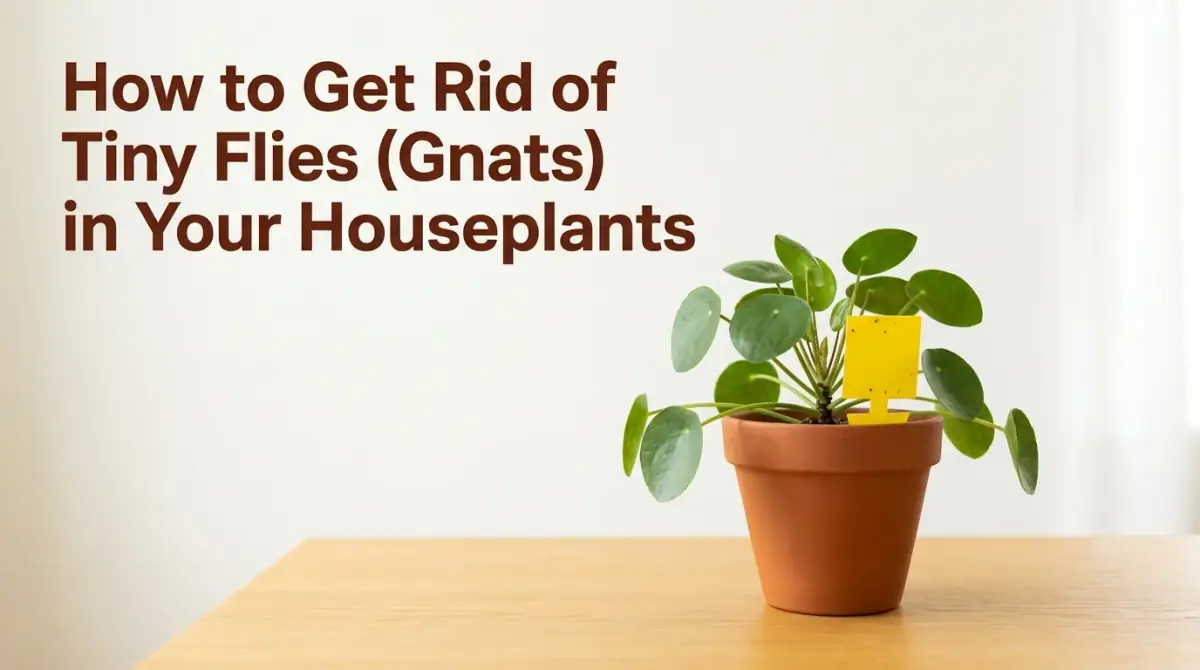
- Small flies hovering around the pot.
- Wilting even though the soil is clearly damp.
When roots sit in soggy soil, they cannot breathe and slowly rot. If you spot these clues, let the soil dry out well before the next drink, and double check that the pot has drainage holes.
Signs your plant needs water
Underwatering is easier to fix and usually easier to spot. Plants are fairly honest when they are genuinely thirsty.
- Soil that has pulled away from the sides of the pot.
- Leaves that droop but perk up soon after watering.
- Dry, crispy leaf edges or tips.
- A pot that feels surprisingly light when you lift it.
That last trick is underrated. Lift a pot right after watering and again a week later, and your hands quickly learn the weight of a full pot versus an empty one. Many seasoned plant owners judge thirst by heft alone.
How to water properly when you do water
How you water matters as much as how often. Shallow little sips encourage weak, shallow roots and leave the bottom of the pot bone dry.
- Water slowly and thoroughly until liquid runs out of the drainage holes.
- Let the pot drain completely, then tip out any water left in the saucer.
- Never let a plant sit in a puddle, since standing water invites root rot.
Room-temperature water is gentler than icy cold. If your tap water is heavily treated, letting it stand overnight or using filtered water can help sensitive plants.
Building a flexible watering routine
You still want a rhythm, just not a rigid one. Rather than a strict watering schedule, build a habit of checking. Pick a regular day to walk around and test every pot, then water only the ones that pass the dry-soil test.
Group plants with similar needs together so you can care for them at once. Keep thirsty tropicals in one spot and drought-tolerant succulents in another. Over a few weeks you will start to notice which plants drink quickly and which can be left alone, and the whole thing becomes second nature.
Common watering mistakes to avoid
A few simple missteps trip up nearly every beginner. Steer clear of these and most of your plants will forgive the occasional slip.
- Watering on autopilot. Always check the soil first, even on your usual day.
- Using pots without drainage. A decorative pot with no holes traps water at the roots.
- Misting instead of watering. A spritz raises humidity but rarely reaches the roots.
- Ignoring the seasons. Winter plants need far less than summer ones.
Get comfortable with the finger test, watch how your plants respond, and adjust as you go. Do that, and you will spend far less time worrying about watering and far more time simply enjoying the greenery.
Comments
0 total