
The short answer
Low light in your bedroom? No problem. These are the best plants for a bedroom that thrive in dim corners, freshen the air a little, and are genuinely hard to kill.
- Choose plants that tolerate low light and irregular watering.
- Snake plants and ZZ plants are nearly impossible to kill.
- Pothos and philodendrons trail beautifully from shelves.
- Most bedroom plants are safe, but keep toxic ones away from pets.
- Greenery adds calm and a touch of fresh air to a restful room.
The best plants for bedroom corners are the ones that tolerate low light, forgive the occasional missed watering, and quietly improve the feel of the room. Snake plants, pothos, ZZ plants, and peace lilies all thrive in dim spaces and ask for very little in return. If your bedroom leans more shade than sun, these hardy picks are the greenery most likely to actually survive.
You do not need a green thumb or a bright window to enjoy a leafy bedroom. You just need the right plants and a couple of simple habits.
Key takeaways
- Choose plants that tolerate low light and irregular watering.
- Snake plants and ZZ plants are nearly impossible to kill.
- Pothos and philodendrons trail beautifully from shelves.
- Most bedroom plants are safe, but keep toxic ones away from pets.
- Greenery adds calm and a touch of fresh air to a restful room.
What makes the best plants for a bedroom
Bedrooms are tricky for plants. They often have a single window, curtains drawn for much of the day, and an owner who is too tired to fuss. The best candidates share a few traits.
- Low-light tolerance, so they cope with shade and indirect light.
- Drought tolerance, so a skipped watering does no harm.
- Slow, tidy growth, so they do not crowd a small space.
- Low fuss, with no need for constant misting or feeding.
Every plant below checks those boxes, which is why they turn up on almost every list of easy bedroom plants.
Snake plant
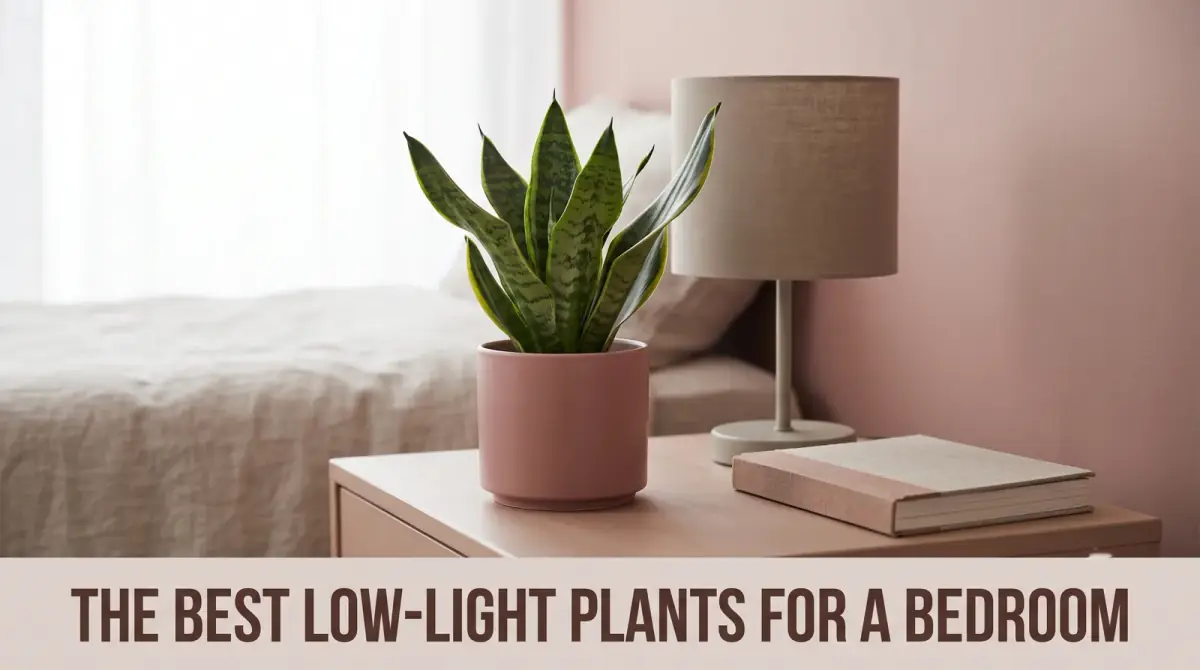
If you buy only one bedroom plant, make it a snake plant. Its stiff, upright leaves handle deep shade, and it can go weeks without water. It is famously forgiving of neglect, which makes it ideal for a busy or forgetful owner.
Snake plants also release oxygen at night, unlike most plants, so many people like the idea of keeping one beside the bed. Just water it sparingly, since soggy soil is the only thing that reliably harms it.
Pothos
Pothos is the trailing vine you have seen cascading from shelves everywhere, and for good reason. It grows happily in low to moderate light and tells you plainly when it is thirsty by drooping, then bounces back within hours of a drink.
Train it along a headboard or let it spill from a high shelf. Snip the occasional long vine and pop the cutting in water, and you will soon have a second plant for free.
ZZ plant
The ZZ plant looks almost too glossy to be real, and it thrives on being left alone. Its waxy leaves reflect what little light a bedroom offers, and its thick roots store water, so it laughs off dry spells.
This is a plant for people who travel or forget. Tuck it into a shadowy corner, water it once the soil is fully dry, and it will reward you with steady, sculptural growth.
Peace lily
For a splash of soft white blooms, the peace lily is hard to beat. It flowers even in modest light and has a helpful habit of dramatically drooping when it needs water, then perking right back up after a drink.
Peace lilies appreciate slightly more moisture than the others here, so keep the soil lightly damp. Note that they are toxic if chewed, so place them out of reach of curious pets and children.
More easy low light bedroom plants
If you want variety, several other reliable low light bedroom plants will settle in happily.
Heartleaf philodendron
A trailing vine much like pothos, with soft heart-shaped leaves. It tolerates shade well and is very forgiving of an uneven watering routine.
Spider plant
Cheerful, arching, and quick to produce baby plantlets you can pot up. It handles low light and only asks that its soil not stay soggy.
Cast iron plant
Named for its toughness, this one survives deep shade, drafts, and neglect that would finish off fussier plants. Growth is slow but dependable.
Chinese evergreen
Grown for its patterned leaves, it brings a little color to a dim corner and tolerates low light with ease. Keep it warm and away from cold windows.
Do bedroom plants really help you sleep?
Plants are often sold as a route to deeper rest, and it is worth being honest about that. Greenery will not cure insomnia, and the air-cleaning effect of a few pots in a normal room is gentle at best.
What plants genuinely offer is calm. Tending something living, seeing green when you wake, and softening a hard-edged room all support a restful mood. If you are after plants for better sleep, think of them as part of a soothing bedroom rather than a medical fix. Even so, a tidy, green, relaxing space is a real help at the end of a long day.
Where to place plants in a low-light bedroom
Even shade-tolerant plants appreciate a thoughtful spot. A little planning helps them thrive and keeps them out of harm's way.
- Near, but not on, the window. A few feet from the brightest window gives gentle indirect light without cold drafts.
- Off the radiator. Heat sources dry plants out quickly, so keep pots away from vents and heaters.
- Up high for trailing types. Shelves and hanging planters let pothos and philodendron cascade while staying out of reach.
- Away from the bed if toxic. Keep peace lilies and similar plants where pets and small children cannot nibble them.
If your only window faces north or stays curtained, do not despair. The plants on this list cope with genuinely dim conditions, and you can rotate a struggling plant to a brighter room for a week now and then to let it recover.
Common mistakes with bedroom plants
A few missteps trip up new plant owners, and avoiding them keeps your greenery looking its best.
- Overwatering. Low light means slow growth and slow drinking, so these plants need less water than you might expect.
- Expecting fast growth. Shade slows everything down, so be patient rather than assuming something is wrong.
- Ignoring dust. A dusty leaf cannot gather light well, and light is already in short supply here.
How to care for low-light bedroom plants
Caring for these plants is refreshingly simple. A few gentle habits keep them thriving.
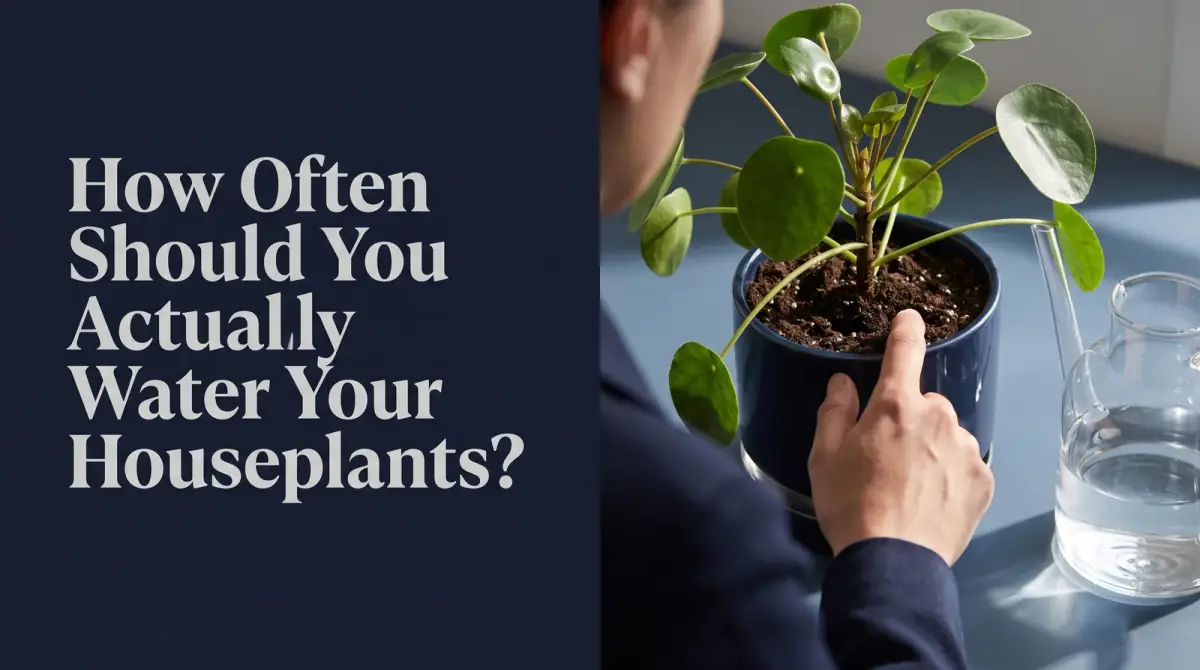
- Water only when the top inch or two of soil feels dry.
- Empty any saucer so roots never sit in standing water.
- Wipe dust off the leaves now and then so they can breathe.
- Rotate each pot occasionally so growth stays even.
- Skip the fertilizer in winter, when growth naturally slows.
Give them that much attention and the best plants for a bedroom will quietly get on with the job, turning even a dim, sleepy room into somewhere a little greener and calmer.

Comments
0 total