
The short answer
New to plants or just forgetful? These are the best indoor plants for beginners, chosen because they shrug off missed watering, low light, and general neglect.
- The toughest plants tolerate low light and irregular watering.
- Overwatering, not neglect, kills more houseplants than anything else.
- Snake plants and ZZ plants survive weeks of being forgotten.
- Trailing pothos and philodendron are cheap, fast, and easy to grow.
- Match the plant to your light and you will barely have to try.
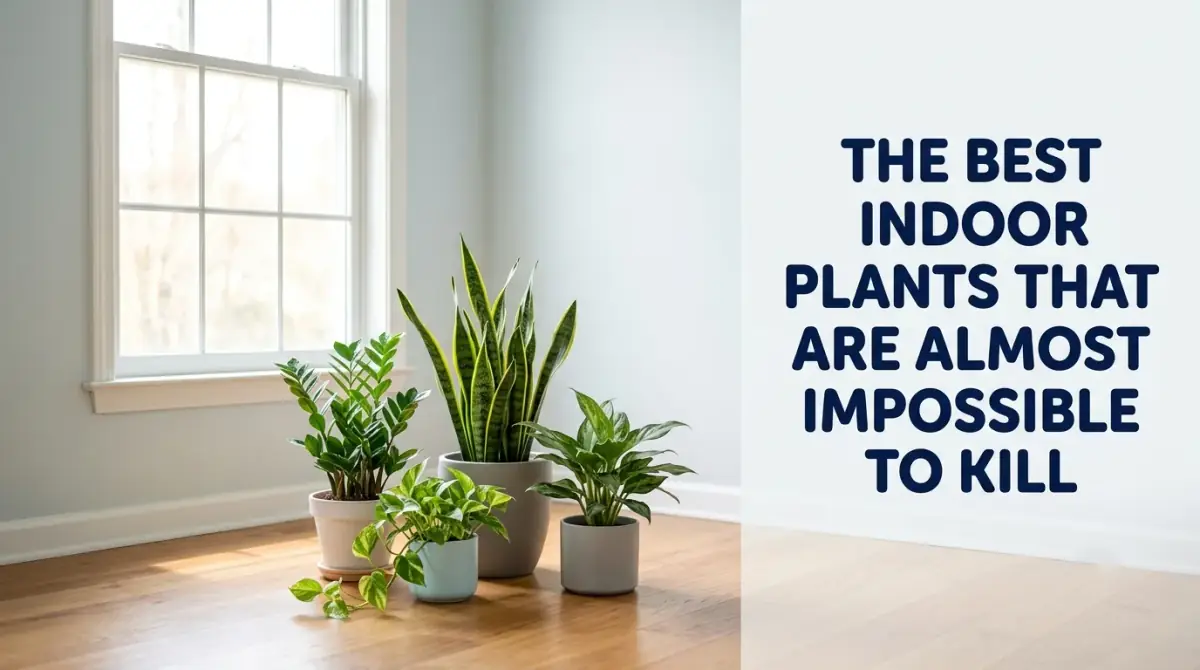
The best indoor plants for anyone short on time or new to gardening are the ones that quietly forgive your mistakes. Snake plants, ZZ plants, pothos, and cast iron plants all tolerate missed waterings, dim corners, and long stretches of being ignored. If you have killed a few plants before, the problem was probably the plant, not you, so start with these near-indestructible choices.
A hard to kill houseplant is not a lesser plant. It is simply one that evolved to handle tough conditions, which happens to match the reality of a busy home perfectly.
Key takeaways
- The toughest plants tolerate low light and irregular watering.
- Overwatering, not neglect, kills more houseplants than anything else.
- Snake plants and ZZ plants survive weeks of being forgotten.
- Trailing pothos and philodendron are cheap, fast, and easy to grow.
- Match the plant to your light and you will barely have to try.
What makes a houseplant hard to kill
Some plants are built to survive hardship, and those same traits make them ideal for a home. The best indoor plants for beginners tend to share a short list of qualities that add up to real resilience.
- Drought tolerance, so a skipped watering does no harm at all.
- Low-light tolerance, so they cope with a north window or a shady corner.
- Sturdy leaves, which resist pests and bounce back from knocks.
- Slow, steady growth, so they rarely outgrow their pot or your patience.
When a plant checks all of those boxes, it becomes very difficult to fail with. The plants below are the classics, and they turn up on nearly every list of low maintenance plants for good reason.
Snake plant
If you want one plant that will almost certainly survive you, choose a snake plant. Its stiff, upright leaves store water, so it can go weeks between drinks without complaint. It handles deep shade and bright rooms alike, which means you can put it almost anywhere.
The only reliable way to harm a snake plant is to overwater it, so err on the side of neglect. Let the soil dry out fully, water it lightly, then forget about it again. That simple rhythm keeps it happy for years.
ZZ plant
The ZZ plant looks glossy enough to be fake, and it thrives on being left alone. Thick underground roots hoard water, so it shrugs off dry spells that would finish other plants. Its waxy leaves also make the most of whatever light a room offers.
This is the plant for travellers and the chronically busy. Water it only when the soil is bone dry, keep it out of harsh midday sun, and it will reward you with slow, sculptural, dependable growth.
Pothos
Pothos is fast, cheap, and one of the easiest indoor plants to keep alive. Its trailing vines look lovely tumbling from a shelf, and it grows happily in low to moderate light. Best of all, it wilts visibly when thirsty and perks back up within hours of watering, so it practically tells you what it needs.
You can snip a long vine, drop the cutting in a glass of water, and grow a whole new plant for free. Few plants give back so much for so little effort.
Cast iron plant
The cast iron plant earned its name honestly. It survives deep shade, cold drafts, dry air, and the kind of neglect that would kill fussier species. Its broad, dark green leaves stay handsome with almost no help from you.
Growth is slow, so this is a plant for patience rather than instant impact. In exchange, it asks for practically nothing and keeps looking good in the gloomiest corner of the house.
More easy indoor plants worth trying
Once you have a survivor or two, you may want a little variety. Several other easy indoor plants are nearly as forgiving and add different shapes and textures.
Heartleaf philodendron
A trailing vine much like pothos, with soft heart-shaped leaves. It tolerates shade well and copes cheerfully with an uneven watering routine.
Spider plant
Arching and cheerful, it sends out baby plantlets you can pot up for free. It handles low light and only asks that its soil not stay soggy.
Chinese evergreen
Grown for its patterned leaves, it brings colour to a dim spot and tolerates low light with ease. Keep it warm and away from cold windows.
Aloe vera
A succulent that stores water in its fleshy leaves and loves a bright windowsill. Water it sparingly and it will thrive on being left alone.
How to choose the best indoor plants for your space
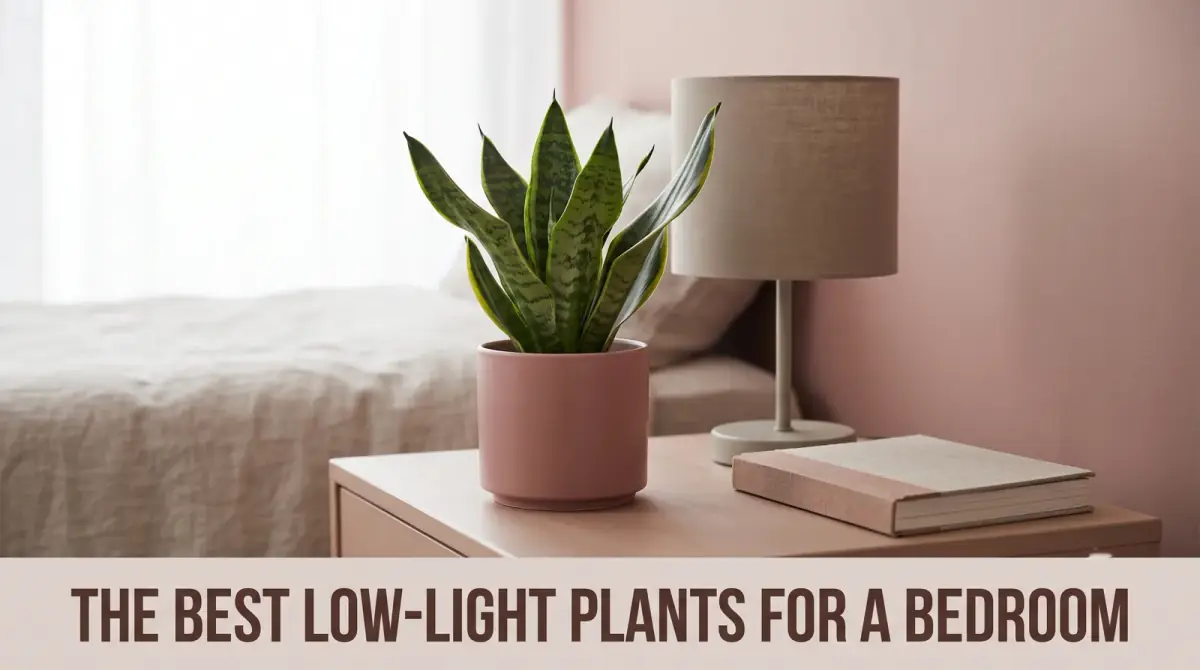
The single most useful thing you can do for a new plant is to match it to the room rather than hope it adapts. Start by watching where the light falls through the day. A bright, sunny sill suits succulents and aloe vera, while a shady corner calls for a snake plant, ZZ plant, or cast iron plant that shrugs off gloom.
Be honest about your habits too. If you travel often or simply forget, lean toward drought-tough plants that store their own water. If you enjoy a little fuss, a pothos or spider plant rewards regular attention. When you match a plant to the light and lifestyle you actually have, success stops feeling like luck and starts feeling routine.
The one mistake that kills most houseplants
If there is a single lesson behind every dead houseplant, it is this: overwatering does far more damage than forgetting. Roots need air as well as water, and soil that stays soggy suffocates them and invites rot.
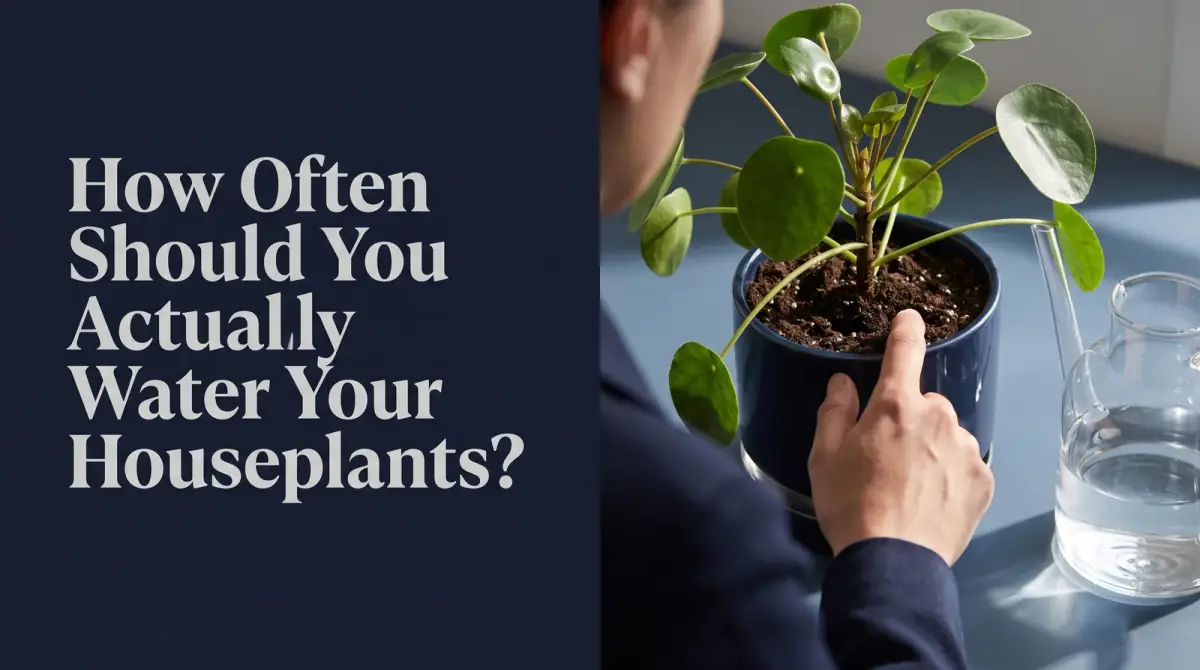
So the golden rule with hard to kill houseplants is to water less than feels natural. Check the soil with your finger first, and only water when the top inch or two is genuinely dry. When you do water, let the excess drain away rather than leaving the pot sitting in a full saucer.
Simple habits that keep any plant alive
Even the toughest plant does better with a handful of easy habits. None of these takes more than a minute, and together they cover almost everything a low maintenance plant needs.
- Choose a pot with drainage holes so water can escape.
- Water only when the top of the soil feels dry to the touch.
- Empty the saucer so roots never sit in standing water.
- Wipe dust off the leaves now and then so they can gather light.
- Match the plant to the light in the room instead of forcing it.
Get those basics right and you will find that the best indoor plants really are almost impossible to kill. Pick one or two survivors, give them the little they ask for, and enjoy the greenery without the worry.
Comments
0 total