
The short answer
Some houseplants have a reputation for freshening a room. Here are the best plants for clean air, what to realistically expect from them, and where to place them at home.
- Leafy, easy-care plants are the most practical air fresheners.
- The air-cleaning effect of a few pots is modest, not miraculous.
- Snake plants, pothos, and peace lilies are top all-rounders.
- More plants and good airflow matter more than any single species.
- Keep toxic plants away from curious pets and small children.
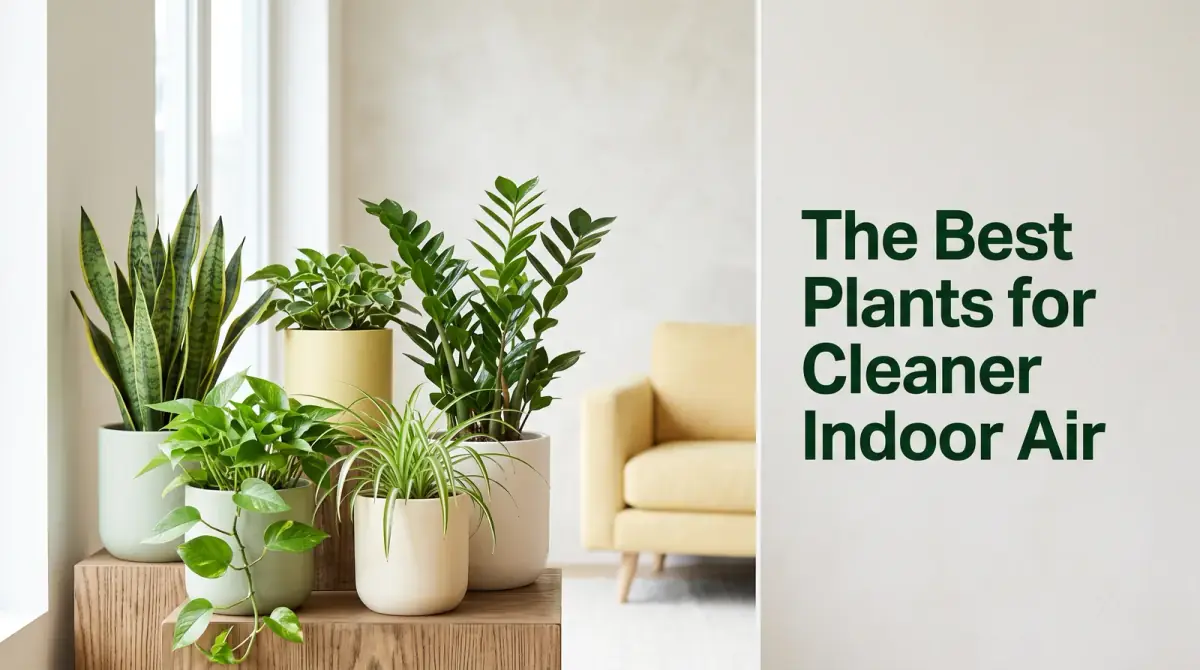
The best plants for clean air are hardy, leafy houseplants like snake plants, pothos, peace lilies, and spider plants that are easy to keep alive and pleasant to have around. They can absorb small amounts of certain airborne compounds and add a touch of humidity, though it is fair to say their effect in a normal room is gentle rather than dramatic. Think of them as a small, welcome bonus on top of good ventilation.
Houseplants will not replace opening a window or running an air filter. What they will do is make a space feel fresher, calmer, and more alive, which is reason enough to fill your home with them.
Key takeaways
- Leafy, easy-care plants are the most practical air fresheners.
- The air-cleaning effect of a few pots is modest, not miraculous.
- Snake plants, pothos, and peace lilies are top all-rounders.
- More plants and good airflow matter more than any single species.
- Keep toxic plants away from curious pets and small children.
What to realistically expect from air purifying plants
It helps to start with honest expectations. The idea that houseplants scrub the air took off after laboratory experiments suggested certain plants could absorb airborne compounds. Those tests, however, were done in small sealed chambers, which is very different from a real, ventilated room.
In an ordinary home, you would need a great many plants to measurably change air quality. So the most honest way to see air purifying plants is as a pleasant supplement, not a filter. They add a little humidity, a touch of oxygen, and a lot of visual calm, and that combination is genuinely worthwhile even if the numbers are humble.
Because of that, the best strategy is simple: grow the plants you can actually keep healthy, and grow plenty of them. A room full of thriving greenery does far more for the way a space feels than a single prized plant struggling in the wrong corner. So let go of the pressure to find one miracle species, and focus instead on building a small, happy collection you enjoy tending.
The best plants for clean air, room by room
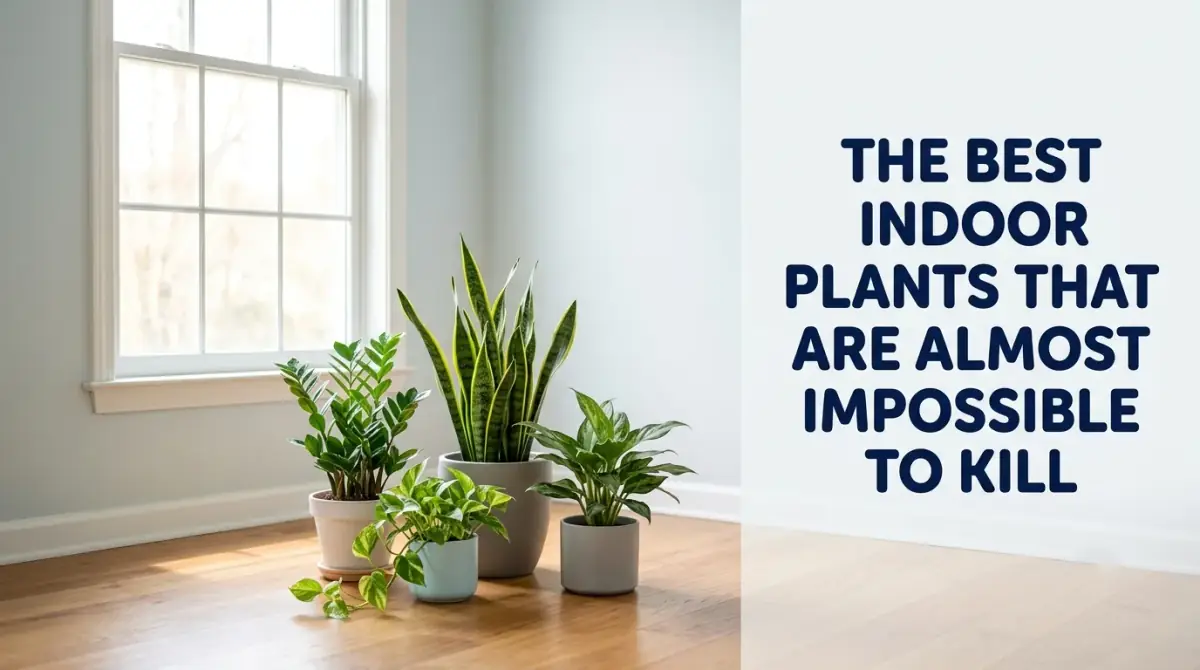
The most useful plants are the ones that thrive on neglect, since a struggling plant does nothing for your air or your mood. The classics below earn their reputation by being both tough and genuinely nice to live with.
Snake plant
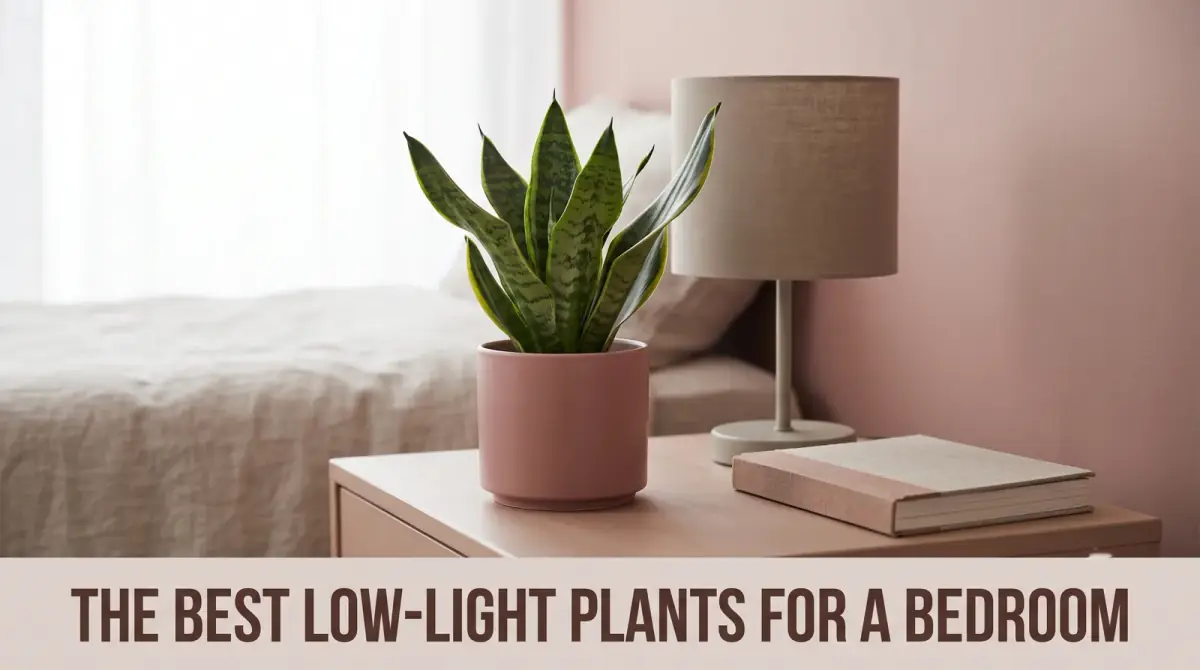
Nearly indestructible, the snake plant tolerates low light and irregular watering. It also releases oxygen at night, which is why many people like keeping one in the bedroom.
Pothos
This trailing vine grows almost anywhere and forgives missed waterings. Its fast, leafy growth gives you a lot of foliage for very little effort, which is exactly what you want.
Peace lily
Elegant and shade-tolerant, the peace lily even produces white blooms indoors. It adds humidity as it transpires, though its leaves are toxic if chewed, so keep it away from pets.
Spider plant
Cheerful and adaptable, the spider plant is safe around pets and quick to produce baby plantlets you can pot up and share.
More plants that clean the air
If you want variety, several other reliable plants that clean the air will settle into a home happily. Each brings its own look while asking for little in return.
- Rubber plant, with big glossy leaves and a tolerance for lower light.
- Dracaena, an upright, architectural plant available in many leaf patterns.
- Boston fern, a lush choice that also raises humidity, ideal for a bathroom.
- Aloe vera, a low-water succulent that doubles as a handy first-aid plant.
- Philodendron, a forgiving trailing vine much like pothos.
None of these is fussy, which is the whole point. A healthy, thriving plant contributes far more than a fancy species you can barely keep alive.
Why more plants beats the perfect plant
People often ask which single plant cleans the air best, but that is not quite the right question. The quantity and total leaf area of your plants matter more than picking one champion species. A single small pot has a tiny effect, while a bright corner full of greenery has a noticeably larger one.
So rather than hunting for one perfect specimen, group several plants together. A cluster raises local humidity, looks lovely, and gives you more foliage doing gentle work. For example, a shelf of trailing pothos beside a couple of leafy ferns does more, and looks better, than any lone plant on a windowsill.
Where to place indoor air quality plants
Placement affects both how well your plants grow and how much you enjoy them. A few sensible choices keep them healthy and useful.
- Living areas, where you spend the most time and will notice the greenery.
- Bedrooms, for calm and a small overnight oxygen boost from snake plants.
- Bathrooms, where humidity-loving ferns and pothos flourish.
- Near light, since a well-lit plant is a healthier, more active plant.
Keep pots away from radiators and cold drafts, and remember that indoor air quality plants can only help if they are alive and growing. Match each plant to the light and warmth it prefers, and it will look after itself while quietly doing its bit.
A safety note on pets and children
Several popular houseplants are mildly toxic if eaten, including peace lilies, pothos, philodendrons, and dracaenas. They are perfectly safe to have in the home, but they should be placed out of reach of pets and small children who might nibble them.
If you share your home with curious animals, lean on the pet-safe options. Spider plants and Boston ferns are gentle choices that let you enjoy greenery without worry. When in doubt about a specific plant, check its safety before bringing it into a room where a pet roams freely.
Plants plus fresh air: the honest combination
The genuine path to cleaner indoor air is not glamorous, but it works. Open windows when you can, keep dust and smoke down, and ventilate rooms where you cook or use strong products. Those basics do the heavy lifting.
Set your greenery on top of those habits and you get the best of both worlds: measurably fresher air from good ventilation, plus the calm, humidity, and beauty that plants provide. In short, the best plants for clean air are the ones you will keep alive and enjoy, working quietly alongside an open window rather than in place of one.

Comments
0 total