
The short answer
A small balcony can become a green escape. Discover the best plants for a balcony, sorted by sun or shade, plus simple tips on pots, watering, and tight spaces.
- Match your plants to your light before buying anything.
- Sunny balconies suit herbs, succulents, and flowering annuals.
- Shady balconies suit ferns, fuchsias, and foliage plants.
- Wind and heat dry pots out fast, so water more often than indoors.
- Good drainage and the right pot size matter as much as the plant.
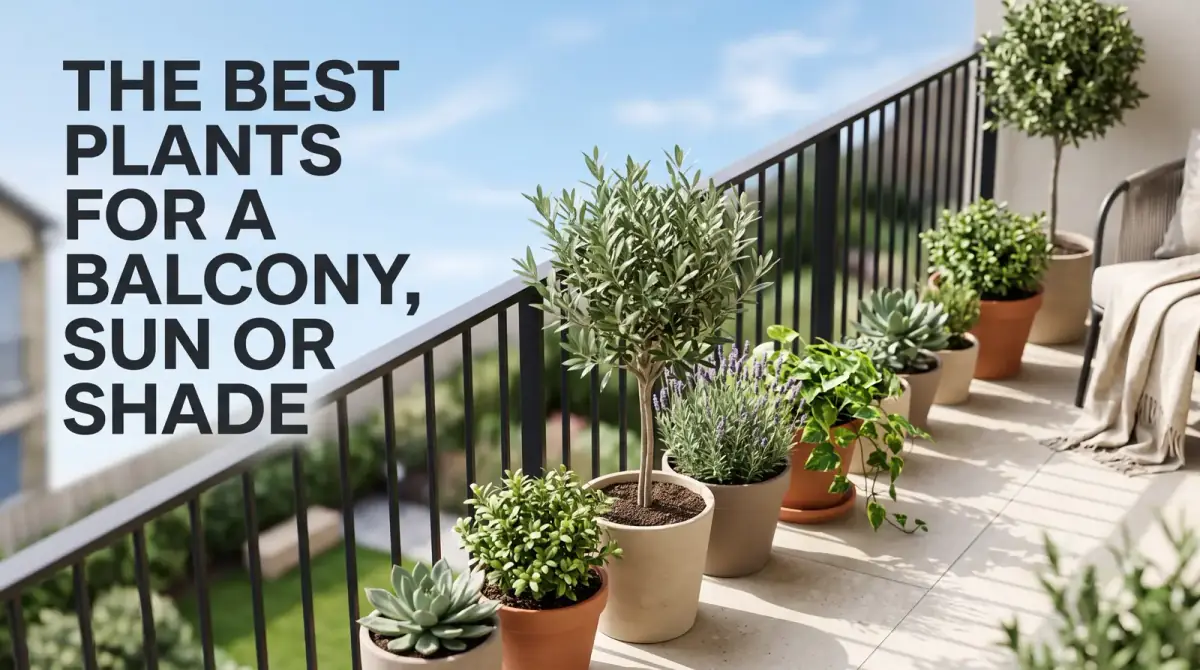
The best plants for balcony spaces come down to one deciding factor: how much sun the space actually gets. A bright, south-facing ledge is ideal for sun-lovers like herbs, geraniums, and succulents, while a shaded corner suits ferns, fuchsias, and leafy foliage that would scorch in full sun. Once you know your light, turning a small outdoor space into a green retreat gets a lot simpler.
Balconies come with their own quirks, from gusty wind to reflected heat, but almost any of them can be made to flourish with the right choices.
Key takeaways
- Match your plants to your light before buying anything.
- Sunny balconies suit herbs, succulents, and flowering annuals.
- Shady balconies suit ferns, fuchsias, and foliage plants.
- Wind and heat dry pots out fast, so water more often than indoors.
- Good drainage and the right pot size matter as much as the plant.
First, figure out your balcony's light
Before picking plants, spend a day noticing how the sun moves across your balcony. Light makes or breaks a container garden, so it is worth a little attention.
- Full sun means six or more hours of direct light, common on south and west-facing balconies.
- Partial sun means roughly three to six hours, often on east-facing spaces.
- Shade means little or no direct sun, typical of north-facing or heavily overhung balconies.
Once you can name your conditions, the rest of the choices fall into place. Fighting your light almost never works, so lean into what you already have.
Best plants for a sunny balcony
A bright balcony opens the door to flowers, herbs, and even a little homegrown food. These plants for a sunny balcony love the heat.
Herbs
Basil, rosemary, thyme, mint, and oregano all thrive in sun and give you fresh flavor within arm's reach of the kitchen. Most grow happily in small pots.
Geraniums and petunias
For long-lasting color, these classic flowering annuals bloom all season with steady sun and a little regular deadheading. They are cheerful and very forgiving.
Succulents
If watering is not your strong suit, succulents like sedum and echeveria store their own moisture and love a hot, dry ledge. They ask almost nothing of you.
Compact vegetables
Cherry tomatoes, chili peppers, and salad leaves all crop well in containers on a sunny balcony. A single tomato plant in a large pot can be surprisingly productive.
Best plants for a shady balcony
A shady balcony is not a lost cause. Plenty of beautiful plants prefer cool, indirect light and would rather avoid harsh sun. These plants for a shady balcony bring lush greenery to dim spaces.
Ferns
Ferns adore shade and humidity, filling a corner with soft, feathery fronds. Keep them out of drying wind and their soil lightly moist.
Fuchsias
For flowers in the shade, fuchsias are a standout, dangling their colorful blooms happily where sun-lovers would sulk. Hanging baskets suit them well.
Hostas
Grown for their bold, ribbed leaves, hostas thrive in containers in cool shade and come in many shades of green and blue-grey.
Begonias
Reliable and colorful, begonias flower steadily in partial shade and cope with the cooler, gentler light of a north-facing space.
Plants that handle wind and exposure
Height brings wind, and a gusty balcony can batter delicate plants. If yours is exposed, favor tougher, sturdier choices.
- Ornamental grasses sway with the wind rather than snapping.
- Lavender and rosemary have wiry stems that shrug off breezes.
- Succulents stay low and compact, so wind passes right over them.
Grouping pots together also shelters more delicate plants and slows the wind that dries them out.
Container basics for balcony garden plants
The pot matters as much as the plant. Good containers keep balcony garden plants healthy through a long season.
- Drainage first. Every pot needs holes so roots never drown.
- Go bigger than you think. Larger pots hold more soil and dry out more slowly.
- Mind the weight. Wet soil is heavy, so check your balcony can take it and consider lightweight pots.
- Use quality potting mix, not garden soil, which compacts in containers.
Raising pots on small feet also helps water drain freely and stops staining on the floor beneath.
Watering plants on a balcony
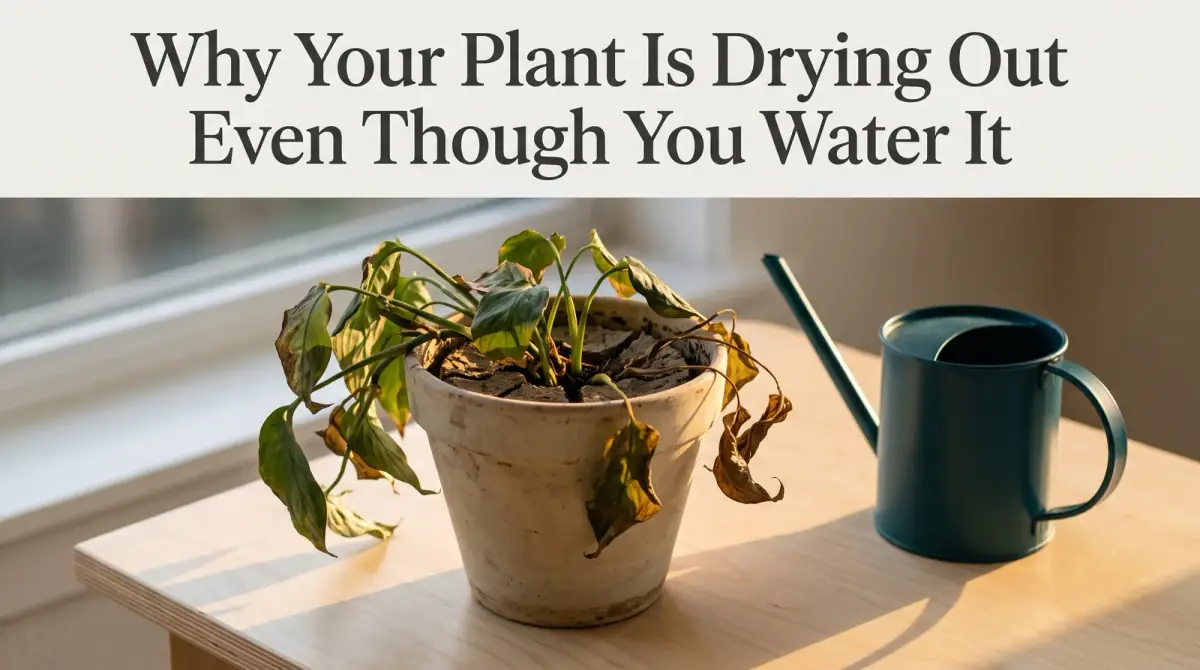
Balcony pots dry out faster than plants indoors or in the ground. Sun, wind, and small soil volumes all speed up drying, so plan to water more often, sometimes daily in high summer.
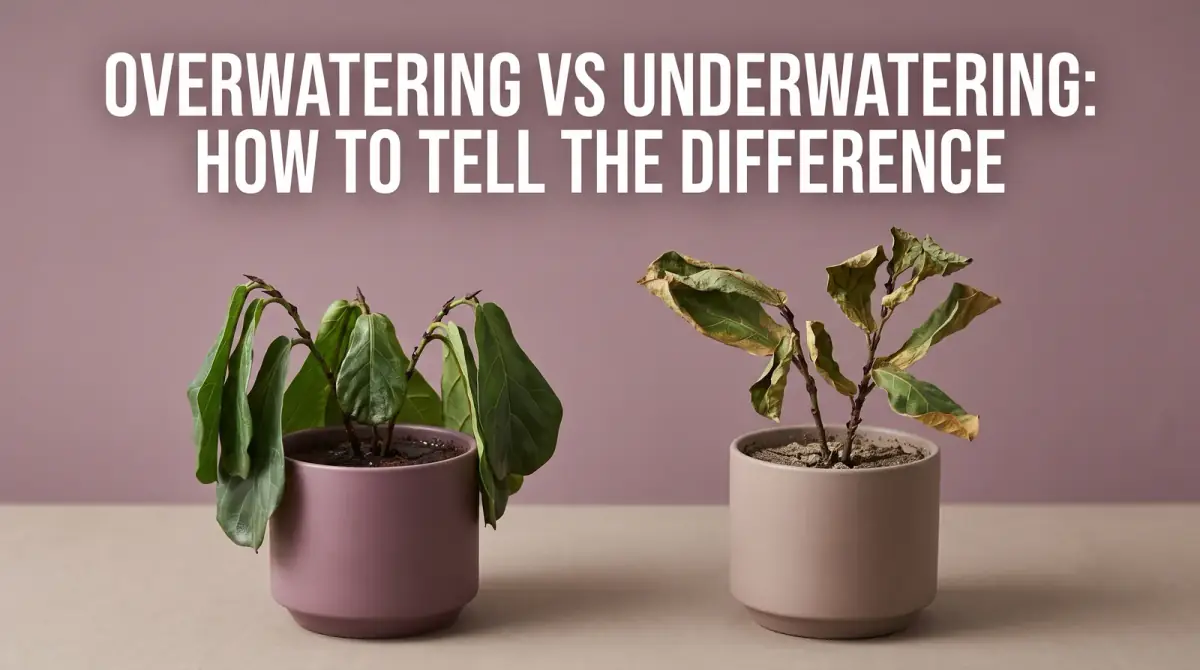
Check the soil with a finger before watering, then water deeply until it runs from the drainage holes. Early morning or evening is best, since midday water evaporates quickly. Self-watering containers or a saucer can help thirsty plants through the hottest days.
A simple seasonal plan for balcony plants
Balcony gardening follows the weather more closely than indoor growing does, so a loose seasonal rhythm helps a great deal.
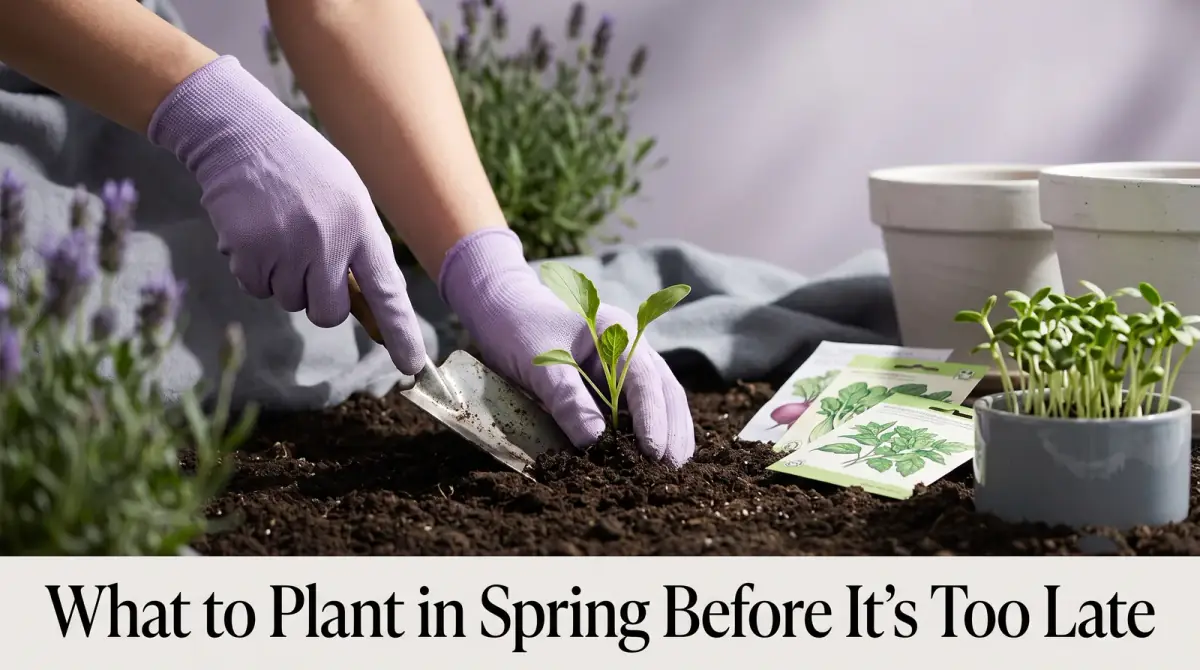
- Spring. Refresh the potting mix, plant out hardy herbs and flowers, and start seeds for summer crops.
- Summer. Water often, deadhead flowers to keep the blooms coming, and feed hungry plants like tomatoes.
- Autumn. Bring tender plants indoors before the first frost, and cut back on watering as growth slows.
- Winter. Protect pots from freezing, group them against a sheltered wall, and let hardy plants rest.
Following the seasons keeps your balcony looking its best all year and spares you the frustration of losing plants to a sudden cold snap.
Beginner-friendly balcony plants to start with
If you are brand new to container gardening, begin with a few reliable, low-effort plants and build from there. Starting small keeps the whole thing enjoyable rather than overwhelming.
- Herbs like mint and chives grow fast and give quick, rewarding results.
- Marigolds bloom cheerfully for months with almost no attention.
- Succulents forgive missed waterings while you find your rhythm.
As your confidence grows, you can add fussier flowers or a small crop of vegetables. There is no rush, and each season quietly teaches you more about what your particular balcony likes.
Making the most of a small balcony
Even a tiny balcony holds more plants than you might expect if you grow upward. A few tricks stretch the space.
- Hang baskets from railings or the ceiling to free up floor room.
- Use a tiered stand or shelf to stack pots vertically.
- Mount planters directly onto the railing for a green screen.
- Choose a few larger pots over many tiny ones for less watering fuss.
With a little planning around your light and space, the best plants for a balcony can turn even a narrow ledge into a small, thriving garden you actually want to sit in.

Comments
0 total