
The short answer
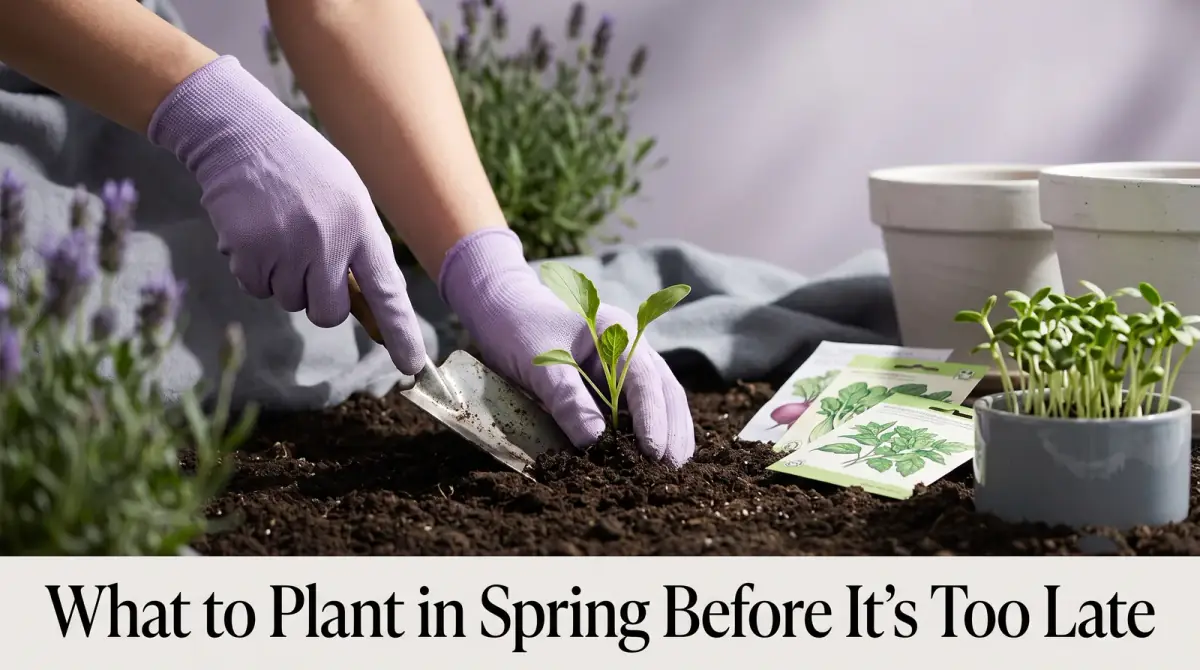
Spring's planting window is short and moves fast. Here is what to plant in spring, from the earliest cool-season vegetables to summer flowers, all timed around your last frost.
- Start cool-season crops as soon as the soil is workable.
- Wait until after your last frost for tomatoes, peppers, and basil.
- Peas, lettuce, spinach, and radishes are the earliest wins.
- Sow hardy flowers and herbs alongside your vegetables.
- Know your local last-frost date and plant around it.
Deciding what to plant in spring comes down to timing and temperature. Cool-season crops like peas, lettuce, radishes, and onions can go in as soon as the soil can be worked, while tender favorites like tomatoes, peppers, and basil wait until the last frost has passed. Get the order right and you can harvest for months, but miss the early window and some crops never get their chance.
Spring moves fast, and the ground warms up in stages. The trick is to match each plant to the moment it wants to be sown, so nothing sits shivering in cold soil or gets scorched by heat it was not ready for.
Key takeaways
- Start cool-season crops as soon as the soil is workable.
- Wait until after your last frost for tomatoes, peppers, and basil.
- Peas, lettuce, spinach, and radishes are the earliest wins.
- Sow hardy flowers and herbs alongside your vegetables.
- Know your local last-frost date and plant around it.
Timing what to plant in spring around the last frost
The single most useful thing you can know is your area's average last-frost date. Almost every spring planting guide hangs on it. Before that date, only cold-hardy plants belong outside, and after it, the tender heat-lovers can safely join them.
Because frost dates vary widely from region to region, check a local source rather than a national average. Once you have that date, you can count backward and forward from it to schedule each crop with confidence. A late cold snap is far less alarming when you have planted with the calendar in mind.
Early spring vegetables to sow first
The earliest sowings are the cool-season crops. These plants actually prefer chilly soil and mild days, and many will bolt or turn bitter once summer heat arrives. That is exactly why the early window matters so much, because their best weeks are the ones most gardeners are tempted to wait out.
Good early spring vegetables to start as soon as the ground thaws include:
- Peas, which love cool weather and shrug off a light frost.
- Lettuce and spinach, quick leafy greens that bolt in heat.
- Radishes, ready in weeks and perfect for impatient gardeners.
- Onions and shallots, planted as sets while the soil is still cold.
- Kale and broccoli, hardy brassicas that barely notice a chill.
Carrots, beets, and Swiss chard also do well sown directly into cool soil. For example, a row of radishes and lettuce planted now can be harvested and cleared before your tomatoes even need the space, which makes them a smart use of an early bed.
Warm-season crops to wait for
It is tempting to rush the summer favorites into the ground, but cold soil stunts them and a late frost can kill them outright. These crops want warmth, so hold off until nights are reliably mild and the last frost is behind you.
Wait for settled warm weather before planting:
- Tomatoes, ideally started indoors and hardened off first.
- Peppers and eggplant, which sulk badly in cold ground.
- Cucumbers, squash, and zucchini, best sown once soil is warm.
- Beans, which rot in cold, wet soil rather than sprouting.
- Basil, the herb most likely to collapse at the first chill.
If you started seeds indoors, harden them off by setting the seedlings outside for a few hours a day over the course of a week. This gradual introduction prevents the shock that a sudden move outdoors can cause, and it is the step most beginners skip.
Flowers to plant in spring
Spring is prime time for flowers, both for their own beauty and for the pollinators they draw to your vegetables. Some can go in early, while others prefer to wait alongside the tender crops.
Hardy flowers for early spring
Sweet peas, pansies, calendula, and snapdragons tolerate cool weather and can go in while frosts are still possible. They give you color weeks before the summer bloomers wake up, which keeps the garden cheerful during the muddy in-between stretch.
Tender flowers for after the frost
Marigolds, zinnias, cosmos, and sunflowers are easy to grow from seed but want warm soil. Sow them once the danger of frost has passed and they will bloom right through summer with very little fuss.
Herbs that love a spring start
Herbs are some of the most rewarding things to plant now, and many are forgiving of imperfect conditions. Hardy perennial herbs can go in early, while the tender annuals wait for warmth.
Parsley, cilantro, chives, and dill handle cool spring days happily and can be sown early. Mint, thyme, oregano, and sage are hardy perennials that will return year after year once established, so a little effort now pays off for seasons to come. Save basil for later, however, since it is the one herb that truly resents the cold.
Fruit, perennials, and getting the beds ready
Spring is not only about seeds. It is also the season to plant perennials that will pay you back for years. Bare-root fruit trees, berry canes, rhubarb, and asparagus crowns all establish best while the weather is still cool and damp, so they can settle their roots before the heat arrives.
Before any of this goes in, spend a little time preparing the soil. Clear weeds, loosen compacted ground, and mix in compost to feed the season ahead. Well-prepared beds give every seed and seedling a stronger start, and that early effort quietly shows up in your harvest all summer long.
Your spring garden checklist
To keep things simple, here is a short spring garden checklist you can follow in order as the season unfolds.
- Find your local average last-frost date and mark it on a calendar.
- Prepare beds by weeding, loosening soil, and adding compost.
- Direct-sow cool-season crops as soon as the soil is workable.
- Start warm-season seeds indoors four to six weeks before the frost date.
- Harden off indoor seedlings over a week before planting them out.
- Plant tender crops and flowers once the frost date has safely passed.
- Mulch, water consistently, and stay ready to cover plants on cold nights.
Follow that sequence and you will always know what to plant in spring and when to plant it. In short, the season rewards gardeners who plant in stages rather than all at once, so pace yourself and let the weather set the schedule.

Comments
0 total