
The short answer
Easy mindfulness techniques for beginners: simple breathing, body scan, and daily practices to calm your mind and build lasting focus.
- Reduce stress and feel calmer under pressure.
- Improve focus and resist constant distraction.
- Manage difficult emotions with more space and less reactivity.
- Sleep better by quieting a racing mind at night.
- Enjoy the moment more fully instead of running on autopilot.
Mindfulness techniques for beginners can be surprisingly simple: you pay gentle attention to the present moment, on purpose, without harsh judgment. That's the whole idea. You don't need incense, a cushion, or an hour of free time. You just need a few minutes and a willingness to notice what's happening right now.
Mindfulness has become popular for good reason. Practiced regularly, it can help calm a busy mind, ease stress, and sharpen focus. Here's how to begin, even if you've never meditated in your life.
What is mindfulness, exactly?
Mindfulness is the practice of bringing your attention to the present moment with openness and curiosity. Instead of replaying the past or worrying about the future, you notice what's here: your breath, your body, the sounds around you, the thoughts passing through.
A key part is the non-judgmental attitude. When your mind wanders, and it will, you don't scold yourself. You simply notice and gently return your attention. That returning is the exercise, not a sign you're doing it wrong.
Why practice mindfulness?
People come to mindfulness for many reasons, and the benefits tend to build with practice. Experts and studies suggest that regular mindfulness can help you:
- Reduce stress and feel calmer under pressure.
- Improve focus and resist constant distraction.
- Manage difficult emotions with more space and less reactivity.
- Sleep better by quieting a racing mind at night.
- Enjoy the moment more fully instead of running on autopilot.
You won't feel transformed overnight. Like physical exercise, the rewards come from repetition, not from a single perfect session.
Simple mindfulness techniques to try today
1. Mindful breathing
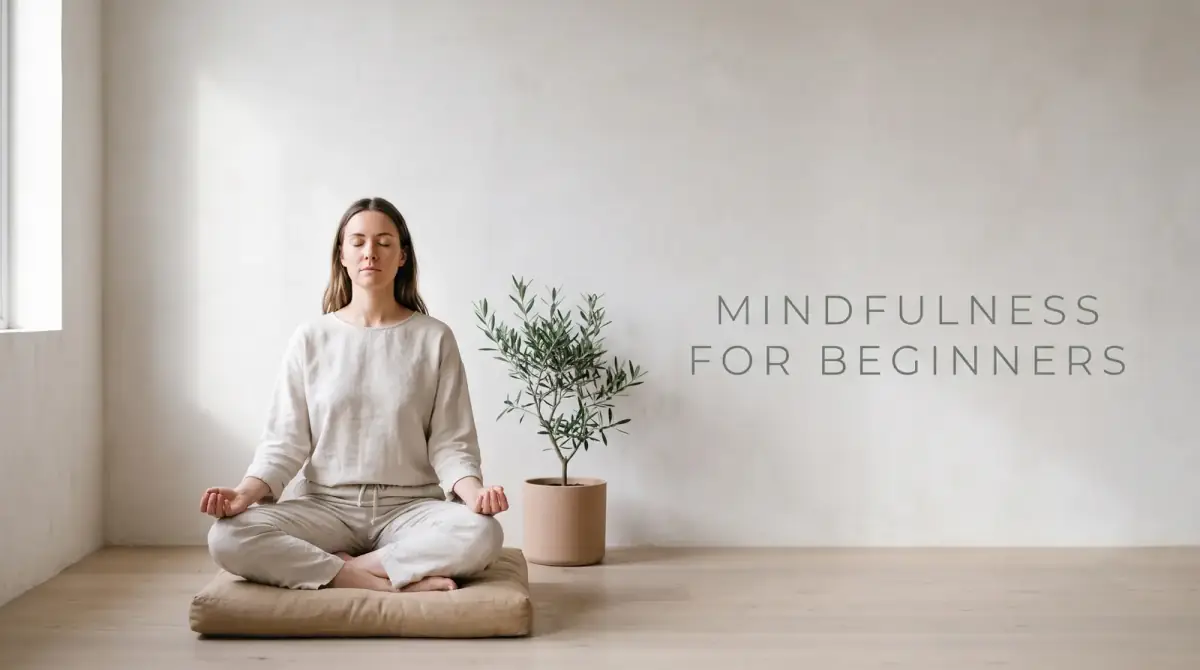
This is the classic starting point. Sit comfortably, close your eyes if you like, and bring your attention to your breath. Notice the air moving in and out, the rise and fall of your chest or belly. When your mind drifts, gently guide it back to the breath. Start with just two to five minutes.
2. The body scan
Lie down or sit and slowly move your attention through your body, from your toes up to the top of your head. Notice any sensations, tension, warmth, tingling, without trying to change them. The body scan is a wonderful way to release stress you didn't know you were holding.
3. The five senses check-in
Whenever you feel scattered, pause and notice five things you can see, four you can hear, three you can feel, two you can smell, and one you can taste. This quick grounding exercise pulls you out of anxious thought loops and back into the present.
4. Mindful walking
You don't have to sit still. On a short walk, pay attention to the feeling of your feet meeting the ground, the rhythm of your steps, and the air on your skin. Walking mindfully turns an ordinary stroll into a moment of calm.
5. Everyday mindfulness
Some of the best practice happens during routine tasks. Wash the dishes, drink your coffee, or brush your teeth with full attention. Notice the temperature, texture, and sound. These small moments train your mind to stay present throughout the day.
How to build a mindfulness habit that sticks
Consistency matters far more than length. A few minutes every day beats a long session once a month. Use these tips to make it stick.
- Start tiny. Begin with two or three minutes so the habit feels effortless.
- Anchor it to a routine. Practice right after you wake up or before bed, when a habit already exists.
- Be patient with wandering thoughts. Getting distracted and returning is the practice itself.
- Drop the pressure to feel calm. Some days feel restless, and that's completely normal.
- Track it lightly. A simple check mark each day builds gentle momentum.
Common beginner myths, cleared up
A few misunderstandings stop people before they start. Let's clear them up.
Mindfulness isn't about emptying your mind. It's about noticing what's there and returning, again and again, with kindness.
You are not failing when thoughts appear; a busy mind is a human mind. You also don't need to sit for a long time, and you don't need any special beliefs. Mindfulness is a skill, and like any skill, it grows with gentle, regular practice.
What to do when your mind won't settle
Some days your thoughts will race no matter what, and that's when many beginners give up. Try to treat a restless mind as information, not failure. It often means you're tired, stressed, or overstimulated, which is useful to know.
When focus feels impossible, shorten the session rather than skipping it. Even one mindful breath counts. You can also switch to a more active technique like mindful walking or the five senses check-in, which give a busy mind something concrete to anchor to.
A wandering mind isn't a broken practice. Each time you notice and return, you're strengthening the exact muscle mindfulness is meant to build.
Weaving mindfulness into a busy day
You don't need a special hour set aside. The most sustainable practice hides inside moments you already have. Look for natural pauses and turn them into tiny anchors of awareness.
- Waiting in a line? Feel your feet on the floor and take three slow breaths.
- Stopped at a red light? Notice your grip on the wheel and relax your shoulders.
- Opening your laptop? Pause for one conscious breath before you dive in.
- Feeling overwhelmed? Name three things you can see right now.
These micro-moments add up. Sprinkled through a day, they keep you grounded far more than a single session ever could, and they cost you nothing but attention.
The takeaway
Mindfulness for beginners is refreshingly simple: breathe, notice, and return to the present with a little kindness. Start with just a few minutes of mindful breathing today, and let the habit grow at its own pace. Over time, these small pauses can bring more calm, clarity, and enjoyment to even the busiest life. The best moment to begin is the one you're in right now.

Comments
0 total