
The short answer
Is homework worth the nightly battles? We look at why homework is important, when it truly helps students learn, and how to make it meaningful without the stress.
- Practice at home strengthens what was learned in class.
- Homework builds independence, planning, and responsibility.
- It gives parents a window into what a child is learning.
- Too much, or pointless tasks, can quietly backfire.
- Quality and purpose matter far more than sheer quantity.
Why homework is important comes down to what it does well: it gives students a chance to practise on their own, review what was taught, and build the habits of managing time and working independently. Homework is not magic, and piles of it can do more harm than good. But the right amount, aimed at the right things, genuinely helps learning stick.
Plenty of parents wonder whether the nightly battle is worth it. The honest answer is that homework helps when it is meaningful and manageable, and it stops helping when it becomes busywork or a source of dread.
Here is the balanced view in brief:
- Practice at home strengthens what was learned in class.
- Homework builds independence, planning, and responsibility.
- It gives parents a window into what a child is learning.
- Too much, or pointless tasks, can quietly backfire.
- Quality and purpose matter far more than sheer quantity.
Why homework is important for learning
Learning something once in class is rarely enough to keep it. Memory fades without use, and homework gives the brain a second and third pass at the same material.
This spaced practice is one of the most reliable ways to move knowledge into long-term memory. A short set of maths problems the evening after the lesson does more than the same problems crammed the night before a test.
Homework also reveals what a student has genuinely understood. Working alone, without a teacher to nudge them, quickly shows which parts are solid and which need another look. That is useful feedback for the student and the teacher alike, pointing clearly to what deserves attention next.
It builds independence and responsibility
Beyond the subject itself, homework teaches skills that matter for life. Doing a task without a teacher standing over you is real practice at working under your own steam.
Over the years, this quietly builds time management, planning, and follow-through. A student who learns to start a project before the last minute is learning something no worksheet can teach directly.
- Deciding when to start and how to break a task down.
- Sticking with something even when it is not much fun.
- Taking ownership of work rather than waiting to be told.
These habits carry far beyond school, into work and everyday adult life.
It connects home and school
Homework is one of the few clear windows parents get into the classroom. Seeing what a child is working on makes it easier to support them and to spot where they struggle.
That does not mean doing the work for them. It means noticing when a topic is causing real trouble and mentioning it to the teacher before it grows into a bigger gap.
A short chat about what a child learned today, sparked by their homework, also signals that school matters, and children quietly absorb that message. Even a couple of minutes of genuine interest tells a child that their effort is being noticed.
When homework actually helps students
Homework earns its place when it has a clear purpose the student can see. The best tasks reinforce a specific lesson, ask students to apply an idea, or prepare them for what comes next.
- It is tied to what was taught, not random filler.
- The amount fits the student's age and stage.
- The student can mostly do it without heavy help.
- There is feedback, so it is not sent into a void.
When those boxes are ticked, homework stops feeling like punishment and starts feeling like useful practice.
When homework stops helping
It is only fair to admit the other side, which is why some people argue homework should be banned. Too much homework can crowd out sleep, play, family time, and the rest that young minds need to grow.
Busywork is the biggest culprit. Copying out definitions or repeating a skill a child already mastered teaches little and breeds resentment toward learning itself.
Homework can also widen gaps. Not every child goes home to a quiet space, a calm adult, or a full stomach, so the same task lands very differently across a class. Good homework policies keep these realities in mind.
How to make homework count at home
Parents cannot rewrite the school's policy, but you can shape how homework goes at home. The goal is to make it calmer and more useful, not longer.
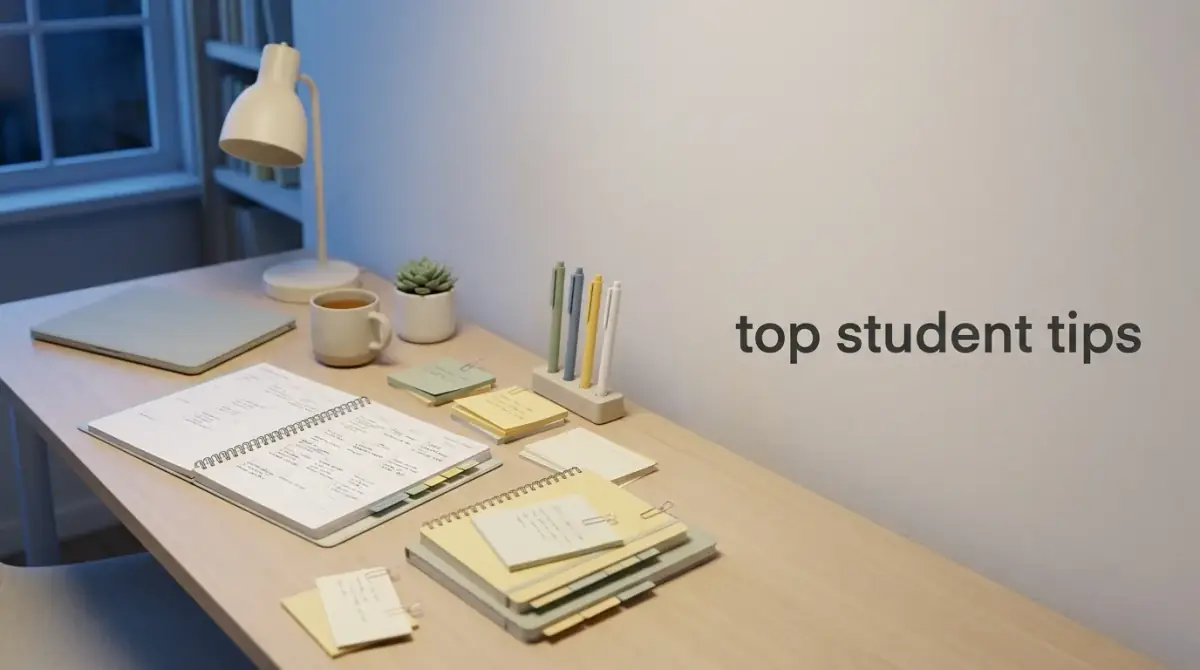
- Set a regular time and a tidy, quiet spot for it.
- Help your child start, then step back so the work stays theirs.
- Encourage short breaks rather than one long, tearful sitting.
- Focus on effort and understanding, not just the finished sheet.
- Keep phones and screens out of reach until the work is done.
If homework regularly ends in tears or takes far longer than expected, that is worth a calm conversation with the teacher. It may mean the task is misjudged or the topic needs another look.
Keep the nightly battles small
The fights around homework often cause more damage than the homework itself. A child who links studying with conflict will resist it for years to come.
Try to be a supportive coach rather than an enforcer. Acknowledge that it is not always fun, break it into smaller pieces, and celebrate finishing rather than nagging through every single line. Praising the effort it took, even on a rough night, keeps them willing to sit down again tomorrow.
Protecting the relationship matters more than any one assignment. A child who feels supported is far more likely to keep trying.
Match homework to the child
The same task can be trivial for one student and impossible for another, so watching the child matters more than watching the clock. Homework works best when it stretches a student without breaking them.
If a child races through with no effort at all, they may be ready for a little more challenge. If they are drowning every single night, the amount or the level probably needs adjusting.
- Notice whether the work feels too easy, about right, or crushing.
- Aim for a level that asks for effort but stays achievable.
- Flag a lasting mismatch to the teacher rather than pushing harder at home.
Age matters too. A short, focused task suits a young child, while older students can handle more, so long as it stays purposeful rather than piled on for its own sake.
The bottom line
Why homework is important is best answered with a bit of nuance: the right amount of meaningful homework strengthens learning and builds independence, while too much busywork does the opposite. Aim for purpose over volume, keep the home routine calm, and talk to teachers when it stops working. Done well, homework is a helper, not a hurdle.


Comments
0 total